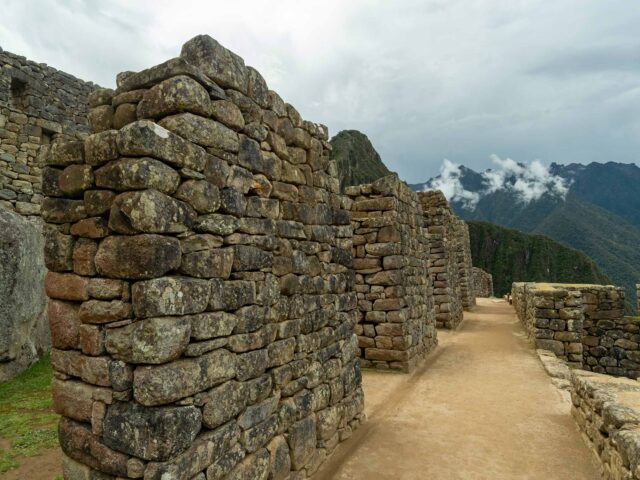
Top Things to Do in Peru

So you’re heading to Peru? Awesome choice! Here are some top things folks love to do there:

Hike the Inca Trail to Machu Picchu

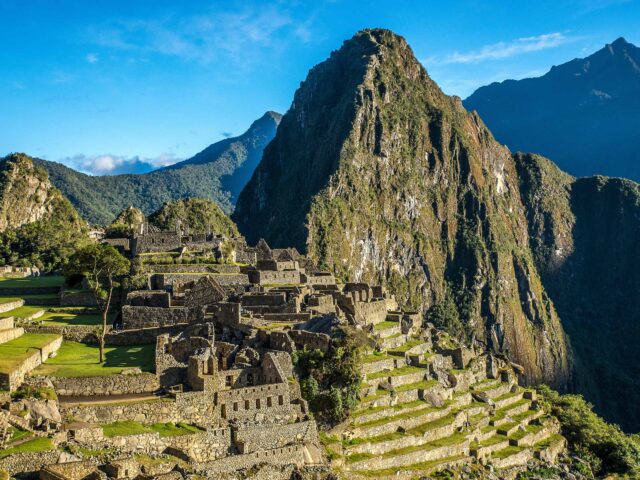
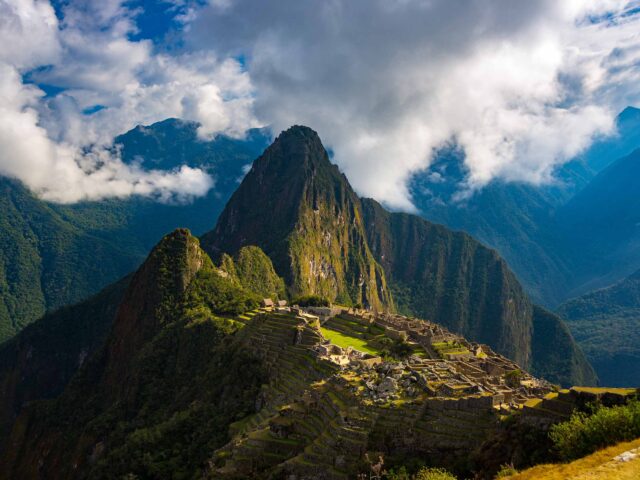
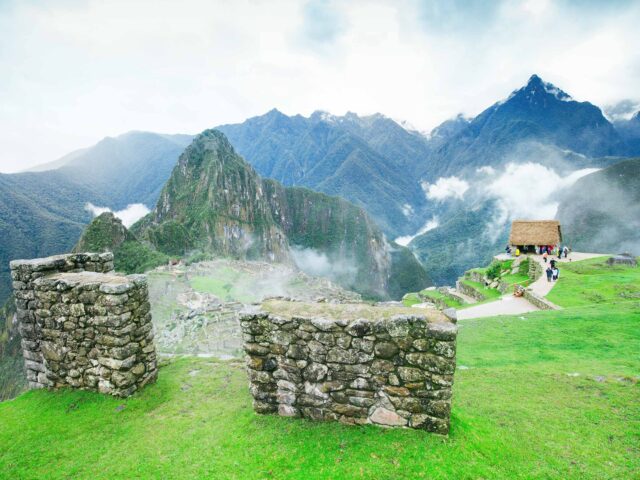
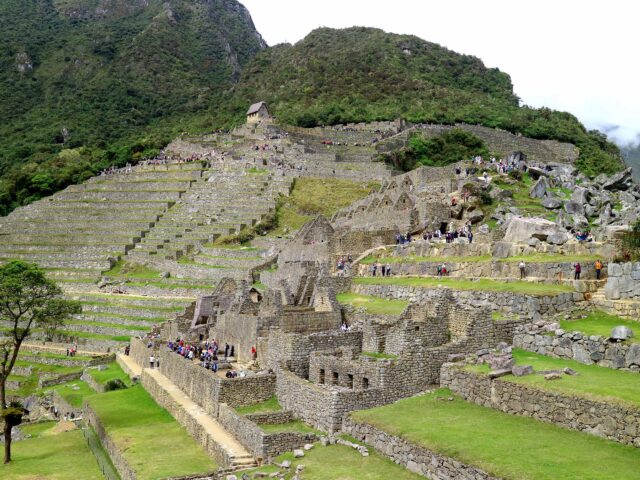
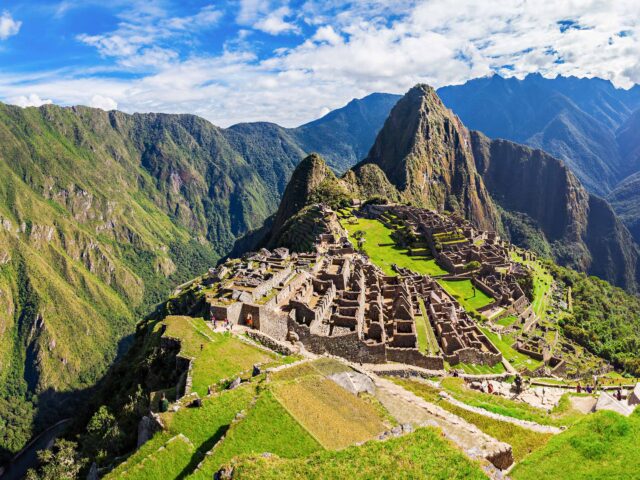
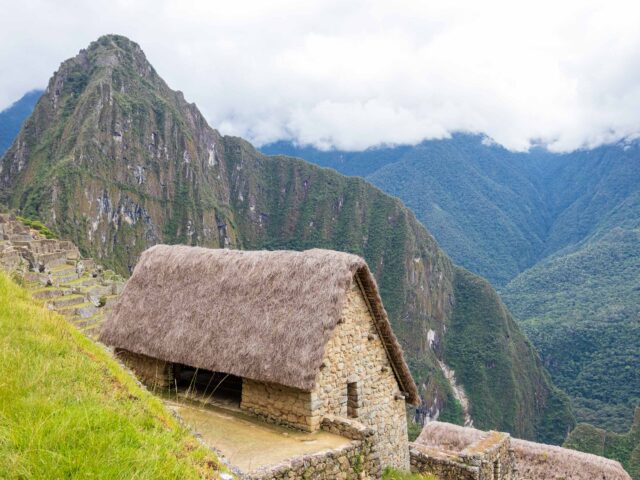
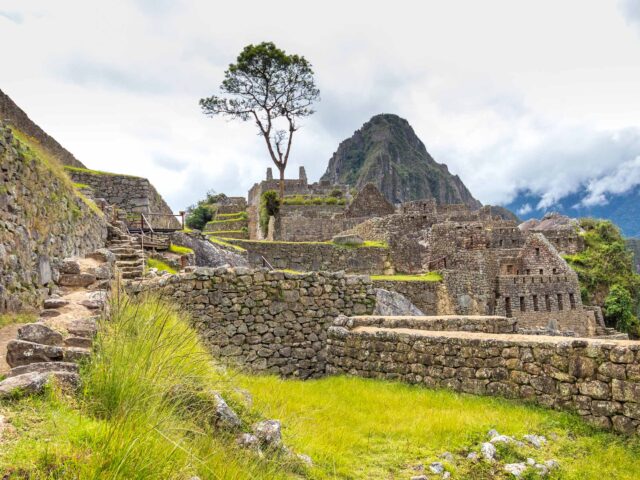
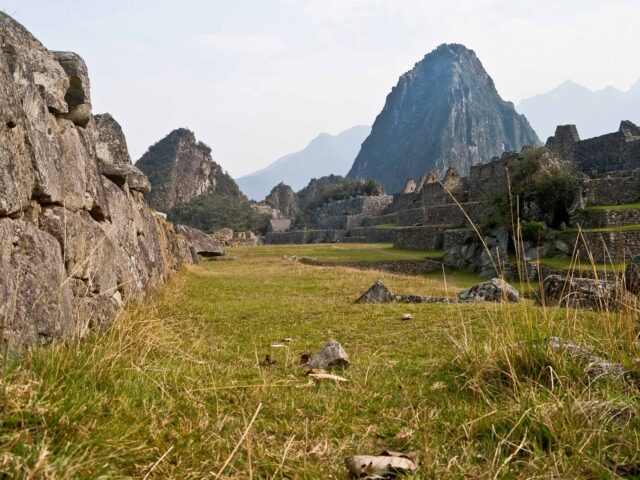
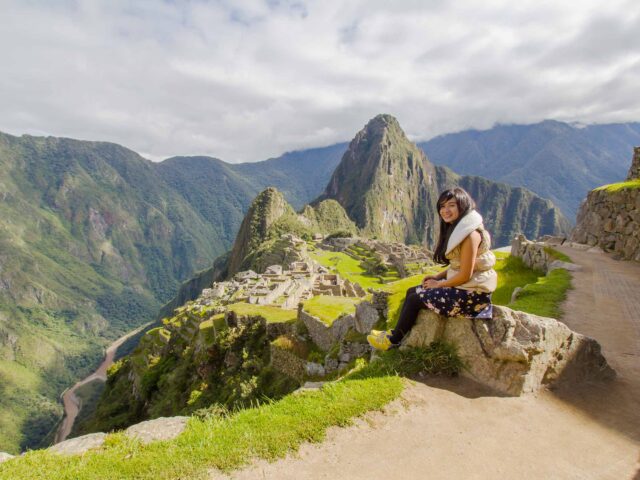
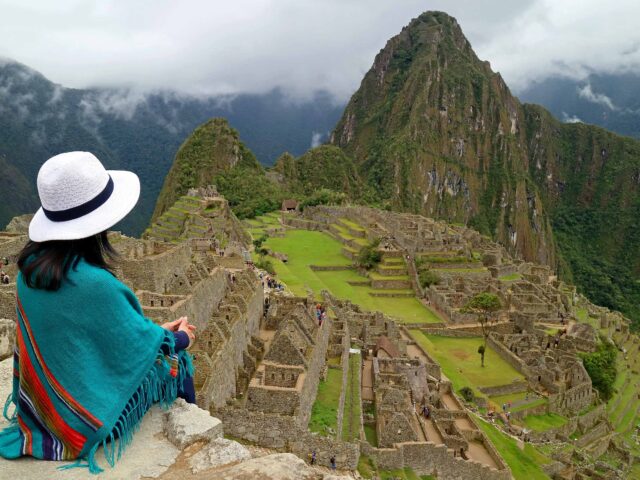
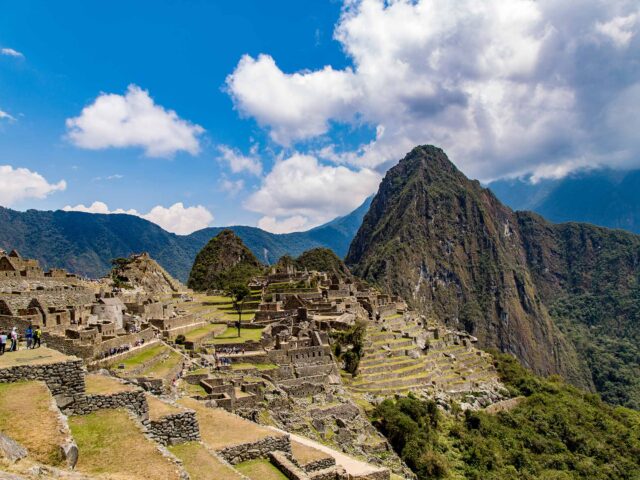
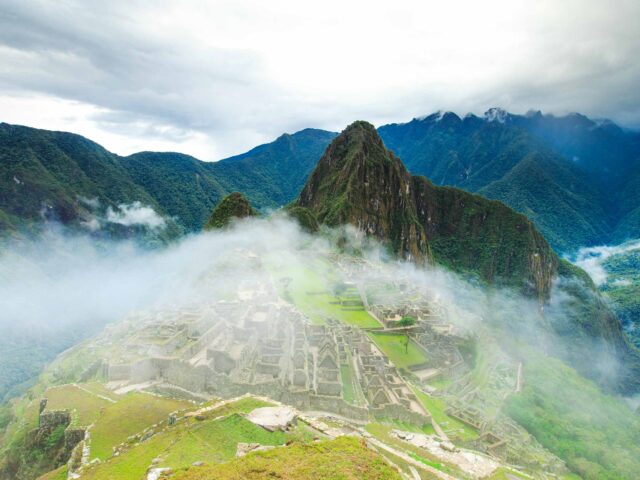
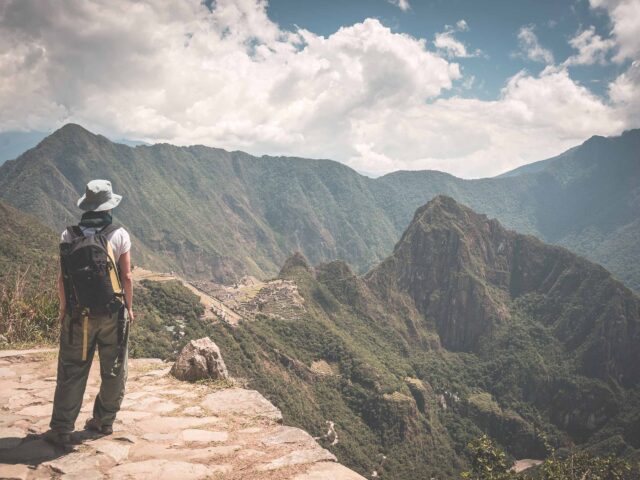
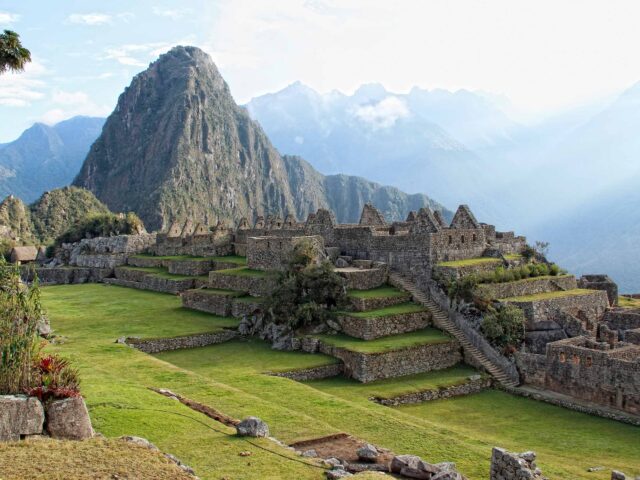
You pretty much gotta see Machu Picchu (sitting at about meters or feet) when you’re in Peru right? It’s the most famous spot. Lots of people choose to hike the classic Inca Trail (hitting high points around meters or feet) to get there – it’s an epic 4-day trek through the mountains. Definitely a bucket list thing for many hikers.

Go Trekking in the Cordillera Blanca

If hiking is your jam you’ll seriously love the Cordillera Blanca range. It’s near Huaraz (which is up at approx meters or feet) and it’s packed with huge snowy peaks like something out of a postcard. The super popular trek lots of people do is the 4-day Santa Cruz trek, killer views.

Sandboard Down Dunes in Huacachina

Picture this: a tiny village built around a little lagoon with palm trees right in the middle of massive sand dunes. That’s Huacachina (down low near sea level, around meters or feet). It’s a wild spot near Ica. People stay here to ride dune buggies super fast over the sand and try sandboarding down the dunes. Definitely a fun stop especially if you’re backpacking.

Visit Arequipa the White City

People call Arequipa (at roughly meters or feet) the ‘White City’ or ‘La Ciudad Blanca’. Why? Cause loads of the old buildings are made from this cool white volcanic rock called sillar. Gives the city a really unique pretty look. Worth checking out for sure.

Explore Cusco Old Inca Capital

Cusco (pretty high up at about meters or feet) used to be the main capital city for the Incas back in the day. Now it’s super famous as the main jumping-off point for trips to Machu Picchu. But the city itself is cool too just wander around the old narrow streets check out the main plaza. It’s got a great vibe.

Hiking the Inca Trail to Machu Picchu: What You Need to Know

Okay, here’s that text completely paraphrased following all your guidelines.


Hiking the Inca Trail to Machu Picchu: What You Need to Know

The Inca Trail hike is super famous, maybe one of the best-known multi-day treks anywhere. It’s usually a four-day, three-night trip through the awesome Peruvian Andes mountains, ending up at the incredible old city of Machu Picchu (altitude about meters or feet) – yeah, one of those new seven wonders of the world. Anyone who’s done it will tell you it’s way more than just walking; it’s like a trip back in time and a real adventure. If you get a chance to do it, definitely go for it!

It blew my mind, honestly, but I definitely learned some things the hard way too. So if you’re thinking about hiking the Inca Trail, here’s the essential info to help you have the best time out there.

The Basics: Inca Trail Overview

  • Distance: About kilometers ( miles). You hike from one point straight to Machu Picchu.
  • How Long: The classic trek is 4 days and 3 nights. If you see shorter trips advertised, they’re not doing the full famous route.
  • How Hard: It’s pretty challenging, no joke. You’re dealing with high altitude which makes breathing harder, some really steep climbs, and long days on your feet. You need to be reasonably fit and ready to push yourself.
  • Best Time to Go: The dry season is May through October. June to August is peak season (crowds!). We went in May and it was great – good weather, fewer people.
  • How You Do It: This is important: you must book way in advance through an official tour company. They get your permit for you. Only a limited number of people (hikers and the crew) are allowed each day. You can’t just show up and hike it solo.

Key Things to Know Before You Hike the Inca Trail

It’s Not an Easy Hike

Seriously, this isn’t for total beginners or if you haven’t hiked much before. You’ll face tough uphill sections way up high where the air is thin. Days are long, and you won’t have comforts like a warm bed or shower. You need some physical strength and that ‘keep going’ attitude. But finishing it feels amazing!

Book Way Ahead & Get a Permit

Since 2002, you have to go with a licensed tour group. No independent hiking is allowed. I liked Intrepid Travel ’cause they seem to treat their porters well. Only 500 permits are given out for the trail each day (that includes about 200 tourists plus all the guides and porters), and they sell out super fast, like months and months ahead. Your tour company handles getting the permit, but you need to book your trip with them really early. Heads up: once the permit is booked with your name and date, you can’t change it.

It’s a 4-Day Route Breakdown

Most companies follow a similar plan. Here’s roughly what ours looked like:

  • Day 1: Around 11km. About 550m climb. Kinda like a warm-up day, helps you get used to the altitude. Moderate effort.
  • Day 2: Around 12km. BIG climb day – about 1200m elevation gain! This is where you tackle the famous Dead Woman’s Pass (up around meters or feet). It’s the toughest day. Going down the other side is pretty steep too!
  • Day 3: Around 13km. Mostly easier walking today. One tough uphill bit and then a long downhill (over 1000m elevation loss) which can be hard on the knees. Super cool day though ’cause you pass lots of old Inca ruins.
  • Day 4: Shortest day, maybe 5km. About 170m climb. Mostly heading down towards Machu Picchu.

Big advice: take it SLOW. The altitude is the real deal here. Go at your own pace, take lots of breaks. It’s hard to catch your breath once you’ve lost it up there.

Campsites are Basic

You’ll be sleeping in tents. There’s no electricity to charge stuff and no hot water. Some campsites might have cold showers (ours did on nights 2 and 3), but honestly, it gets so cold at night a cold shower sounds awful. Most of us just washed up using a small bowl of warm water the crew gave us morning and night. That plus some face wipes worked okay to feel a bit cleaner.

The Toilet Situation… Varies

Day one, you might find some okay public toilets you pay a small fee for. After that, it gets more basic. The free public toilets later on the trail can be pretty gross, not gonna lie. Some people preferred finding a spot in nature. Good news is our tour group had their own pop-up chemical toilet tents at lunch spots and campsites. They were small but clean enough and did the job. Oh yeah, definitely bring your own toilet paper or tissues!

Expect to Be Off-Grid

For most of the hike, there’s no phone signal. Enjoy the break from your phone! There’s also no electricity, so bring a couple of portable power banks to keep your phone (for photos!) and camera charged.

You MUST Carry Your Passport

They check it when you start the trail and again when you enter Machu Picchu. Important: If you got a new passport after you booked your permit, you have to bring either a copy of your old passport or at least a clear photo of it. They need to match the permit number.

The Food is Awesome

I was totally shocked by how good the food was! The cooks were amazing. We got hot breakfast, a 3-course lunch, snacks in the afternoon (‘tea time’), and a 3-course dinner every day. It was tasty, had lots of veggies, and they handled dietary needs (like vegetarian, gluten-free etc) really well. Just make sure you tell your tour company way before the trek starts so they can plan.

Bring Your Own Snacks Too

Your tour might give you a couple snacks each day, but maybe they’re not your favorite things (mine weren’t really). You can buy some stuff like chocolate bars or Gatorade from local vendors on day one and maybe day two, but it’s expensive. If you like specific energy bars, protein bars, trail mix, or electrolytes, definitely bring your own stash.

Nights Get Very Cold

Days can get warm enough for shorts and t-shirts while hiking, but as soon as the sun goes down, it gets freezing cold. Pack layers, a warm hat, gloves, and thermal underwear. Pro Tip: Ask the cooks for some hot water to fill your water bottle or bladder before bed. Stick it in your sleeping bag – makes a huge difference warming it up! On night two (usually the highest camp), sleep with your phone and camera batteries in your sleeping bag too, so the cold doesn’t kill them.

Early Mornings are Standard

Most days, you’ll get a wake-up call around 5 am and be hiking by 6:30 am. Bedtime is usually early too, like 8 pm. The last morning is super early though – wake up around 3 am! You hike a bit then wait near the Machu Picchu entrance until it opens around 5:30 am (sunrise). They do this so the porters (who carry everything) can pack up and catch an early train home. It’s the least we can do after they work so hard.

The Trail Can Be Busy (Sometimes)

We actually found it pretty peaceful while hiking, usually only seeing other groups at lunch spots or campsites. The one time it felt really crowded was that final morning, waiting for the gate to Machu Picchu to open. It was packed! And then walking that last stretch, it felt like a race. We decided to just hang back, walk slow, and enjoy the views arriving at the city. It’s not going anywhere! Even if you rush to be first, everyone else arrives minutes later. Better to just enjoy the moment.

Bring Cash (Soles)

I brought about 500 Peruvian Soles. This is mostly for tipping the porters, cooks, and guides at the end. It’s customary and they work incredibly hard. Ask your tour company for their tipping suggestions, as it varies. We actually tipped more than they suggested because our team was amazing. Besides tipping, try to choose a tour company known for treating their porters fairly (like Intrepid). You might also use small cash amounts for those first-day toilets or maybe pricey snacks.

Wear the Right Gear

Make sure your hiking boots are broken in and comfortable! Good quality, practical hiking clothes make a huge difference to how you feel on the trail. Layers are key. (The original text mentioned a packing guide, but you basically want moisture-wicking clothes, rain gear, warm layers).

Machu Picchu is HUGE

When you finally arrive, it can be a bit overwhelming. After days in the quiet mountains, suddenly you’re in this massive ancient city with crowds of clean tourists! There’s a lot to see, usually different circuits or paths you can follow. Your guide will show you around, explain the history and Inca culture. Soak it all in – you earned it!

Money Stuff: Cash and Costs on the Trail

You’ll definitely need some Peruvian Soles in cash, especially smaller bills and coins. Here’s a quick look at what you might need money for:

Item / Reason Why You Might Need Cash / Cost Involved Notes
Tips for Crew Standard practice to tip porters, cooks, guide Main reason to carry cash. Ask company for suggested amounts.
Toilets (Day 1) Small fee often charged for public toilets Usually just 1-2 Soles per use. Need coins!
Snacks / Drinks Buying extras from vendors on Day 1/2 Optional, can be expensive compared to Cusco prices.
Permit Cost Included in your tour package price You pay this when booking your tour, not cash on trail.
Gear Rental (Optional) Sleeping bags, poles might be rentable Usually paid to the tour company before the trek.
Personal Souvenirs Maybe small items sold near Aguas Calientes After the trek usually, not really on the trail itself.

Guideline: Carrying around 500 Soles per hiker is often suggested, mostly earmarked for tips. Adjust based on your company’s advice and your spending habits for extras.

Gear You Won’t Regret on the Inca Trail Hike

Here’s the lowdown on stuff you might be tempted to leave behind for the Inca Trail hike. Seriously think about squeezing these into your backpack if you can. Trust me on this.

Clothing Essentials

Two Pairs of Good Hiking Pants

Yeah not just one pair but two pairs of hiking pants that are waterproof but also let sweat out. I brought only one real pair and some yoga pants, and man I wore those hiking pants way too much over the 4 days. You’re hiking through different weather and temps every day, eating snacks while walking, sweating like crazy, and using some basic bathrooms along the way. Putting on the same dirty sticky pants the next morning? Not fun. But since the weather on the Inca Trail – which climbs super high, hitting passes like Dead Woman’s Pass at about meters ( feet) – can change fast and I was sweating buckets I always wanted those specific pants. Really wished I had a second pair to switch out.

Comfy Pants Just for Sleeping

Speaking of pants you need a separate pair just for chilling and sleeping in the tent. Something loose and comfy. Nights got crazy cold then super humid then it poured rain. So your sleep stuff needs to handle anything.

Cozy Sweater or Sweatshirt for Camp

Like the pants situation my hiking jackets weren’t what I wanted to relax in at night. I only had basic long sleeves and my big jackets. Pack a simple pullover sweatshirt or something cozy just for evenings that you’re not hiking in during the day.

Must-Have Gadgets and Gear

A Strong Headlamp

My buddy and I just brought regular flashlights. Big mistake. First night we knew it. You’re out in the middle of nowhere really dark no campfires no city lights nothing. Need to find the bathroom brush your teeth or just walk to another tent? Holding a flashlight is just annoying. Get a headlamp a decent one. You won’t regret it.

Water Bottle with a Covered Mouthpiece

My Camelback mouthpiece was exposed. Let’s just say after dropping it at the airport on the muddy trail and maybe even near a trail bathroom I really didn’t want to drink from it. Get a bottle where the part you drink from has a cover. Simple.

Decent Rechargeable Battery Pack

I had this tiny cheap battery pack gave me like one phone charge. Totally useless. Spend a bit more get a good brand that holds a long charge and can charge your stuff multiple times.

Carabiner Clips

These little clips would’ve been awesome. For clipping on layers you take off a small towel your water bottle hand sanitizer whatever. If you have some just clip ’em onto your backpack. You’ll definitely find a use for them. Never thought to bring these but saw others using them.

Comfort Items

Extra Lotion

With the weather going up and down my skin got SO dry. I didn’t pack enough lotion and those baby wipe showers didn’t help. Seriously I was craving lotion like never before. Pack extra.

Your Own Blanket

Okay I DID pack this and I was so happy I did. Almost everyone else wished they had one. It worked as a better pillow and gave extra warmth in the tent. Totally worth the space if you can manage it.

Inflatable Sleeping Pad

Your tour guide will probably ask the day before the trek if you want to rent one. Just say yes. Seriously say yes. It makes sleeping on the ground way better.

Sleeping Bag Liner

Yeah they give you sleeping bags usually but having your own liner just feels cleaner and cozier. If you have your own sleeping bag and space to bring it that works too but I didn’t have room others did.

Sunglasses Neck Strap

You don’t wanna lose your sunglasses when you’re outside most of the day. You’ll be taking them on and off constantly looking at views taking layers off snapping photos. I kept putting mine down or stuffing them in pockets. Would’ve been way easier just hanging them around my neck. Total rookie mistake.

Earplugs

Saved me. Blocked out random noises and people talking in the next tent. When you’re hiking that hard all day sleep is super important.

Practical Stuff

Trash Bags

BRING THEM. You’ll use them for everything. Bag for dirty clothes makeshift rain cover for stuff holding your actual trash in the tent or when using the toilet spots. Things get grimy out there fast. Bring bags.

Instant Coffee Packets

One person on our trip was a hero. She brought single packets of instant coffee different flavors! I had a chai latte! This was just before the final push to the Sun Gate (Inti Punku) which sits around meters ( feet) overlooking Machu Picchu (at meters / feet). It was a total game-changer that morning she was the MVP for sure. The porters usually give you hot water so this is easy.

Two Hiking Poles

I run a lot and stay active so I thought one pole would be fine didn’t want to be weighed down. WRONG. Get two poles. Your body is working hard all day long especially going downhill on rocky steps with roots everywhere. Two poles would have been way safer and much easier on the knees.

Biodegradable Toilet Paper

Buy some TP at the little stops before or maybe early on the trail if guides point it out. We ran out and I was seriously saving napkins from dinner. Not cool. Make sure it’s the biodegradable kind though gotta respect the trail.

Nail Clippers

OMG this one is huge! Long story short we didn’t have any clippers and after 4 days of hiking your fingernails and toenails get long and just plain gross and dirty. I swear I would have paid bucks just for clippers by the end. Pack a small travel pair. Thank me later.

Closed-Toe Shoes (for After)

Bring a pair of comfy closed-toe shoes that AREN’T your hiking boots for after you finish the trail. Once we were done I did NOT want to put my boots back on. I actually bought some cheap flats in Cusco (around meters / feet) because my feet needed a break.

Waterproof Backpack Cover

My OSPREY pack didn’t come with one surprisingly. It was water-resistant sure but when it really started pouring I would’ve felt much better knowing my stuff was totally covered. Check if your pack has one if not get one.

Money Matters on the Trail

You’ll definitely need some cash, specifically soles in small bills and coins. Don’t just bring large bills. Here’s why and some other potential costs:

Item / Reason Why You Might Need Money Notes
Cash (Small Bills/Coins) Paying for toilets along the trail They usually charge a small fee (like 1 or 2 soles). Avoid IOUs!
Inflatable Sleeping Pad Rental fee from your tour operator Usually offered the day before the trek.
Hiking Poles Rental fee if you don’t bring your own Often available to rent with the pad.
Toilet Paper Buying extra along the way if you run out Vendors at some stops might sell it.
Snacks/Water Buying extras at stops (optional) Prices might be higher on the trail.
Tips For porters, guides, cooks at the end A standard practice; ask your company for guidelines.

Family Trip to Peru

Finally Seeing Machu Picchu

So, there I was, finally walking around Machu Picchu. It was pretty empty, which was cool. Just llamas munching grass under a super blue sky. Felt kinda unreal, like stepping back into the old Inca world, you know?

Man, I was so glad we decided on the 5-day Inca trail hike. We spent the night before in Aguas Calientes (around 2,050 meters / 6,726 feet), had probably the best hot shower ever, and felt like new people after that tough but awesome trek.

Looking at my daughters, 8 and 5 years old, I just felt really proud. They actually hiked the Inca trail! Well, the 5-year-old needed carrying over Dead Woman’s Pass, but still. Yeah, this wasn’t exactly a chill beach vacation.

What an Adventure!

Seriously, it was quite the trip.

We’re a family of four. Hubby’s American, I’m French. We spent 16 days in Peru, from July 13th to 29th, 2021. It was amazing and adventurous, for sure, but definitely hard sometimes. We hit a few snags along the way.

I always get good ideas reading other people’s travel stories. So, maybe sharing ours will help another family out, especially if you’re thinking of going with young kids.

Getting Ready for Peru

Why Peru?

When travel stopped back in March 2020, planning trips was my way of escaping. Machu Picchu was always on the list, just never made it happen when I was younger. Then life, babies, toddlers… you know how it goes. What really kicked me into gear was when my two younger sisters, who are pretty fit, started having knee and back problems. Suddenly, doing the Inca trail with them wasn’t an option anymore.

Picking a Tour Company: Alpaca Expeditions

Once vaccines were available and things started opening up, we tentatively booked the Inca Trail with Alpaca Expeditions for July 2021. I totally recommend them, they were great. They’re a Peruvian company, they pay their people well, give the porters (they call them chasquis) good hiking gear, have dorms for them between trips, help their kids with school – stuff like that. Plus, they were the first ones to hire women as porters. We even had a chef and an assistant chef with us on the trail. For our group of five (us plus a good friend), we had a support team of 13 people.

Choosing the Inca Trail: 5 Days Instead of 4

The Inca Trail was the big highlight of the trip. I picked the 5-day/4-night version instead of the more common 4-day/3-night one. It’s the same trail, just spread out more, meaning less hiking each day. Seemed smarter with younger kids. A huge bonus was getting to see Machu Picchu twice – once in the afternoon on day 4, and again the next morning on day 5. And honestly, seeing Machu Picchu feeling rested and clean on that fifth day made a massive difference in actually enjoying it. Just for that, I’d say go for the longer 5-day trek.

Getting Used to the Altitude

We live in Florida, which is basically at sea level. So hiking at super high altitudes was a genuine concern. Reading old trip reports gave me the idea to stay in Ollantaytambo (2,792 meters / 9,160 feet) in the Sacred Valley for a few days before the hike to get used to the thin air. Great call. It’s a neat little town with old cobblestone streets you can walk everywhere, lots of ruins nearby, and some tasty restaurants. It was the perfect place to just chill and let our bodies adjust.

Prepping the Kids

My daughters are figure skaters, training over 10 hours a week, plus ballet and swimming. So they’re active kids. But still, 5 years old is really young for a multi-day hike like this. Originally, the plan was for my husband to take the 5-year-old by train to meet us at Machu Picchu, while the 8-year-old and I hiked.

But after chatting with Alpaca Expeditions and some Peruvian friends from work, we decided to bring her along but hire her own personal porter. His name was Walberto, and they became buddies right away. He was so nice and gentle with her, and incredibly steady carrying her over the rough spots. It was pretty sweet watching them climb holding hands, figuring out how to communicate with her speaking English and him Spanish.

We did some practice hikes back in the US to test their endurance – stuff like Angel’s Landing and The Narrows in Zion, Alum Cave in the Great Smoky Mountains, and Nevada Falls in Yosemite. To be honest, most of my stress planning this trip was worrying about the kids. It would’ve been way easier to just go by myself, haha. But every time I even mentioned that, my daughters would get totally dramatic about how unfair it was I’d find a lost city of gold, adopt a baby llama, and play the flute on a floating island without them. So, yeah, they came. Kids, right?

Our 16-Day Peru Itinerary

Here’s basically what we did:

  • 2 nights near Lima airport (around 154 meters / 505 feet) – mainly for a day trip to see the Nazca Lines.
  • 3 nights in Ollantaytambo (2,792 meters / 9,160 feet) – acclimatizing.
  • 5 days / 4 nights on the Inca Trail – the last night was in Aguas Calientes (approx. 2,050 meters / 6,726 feet).
  • 1 extra night in Aguas Calientes – stayed at the Inkaterra hotel.
  • 2 nights in Cusco (around 3,399 meters / 11,152 feet).
  • 1 night in Puno (by Lake Titicaca – approx. 3,827 meters / 12,556 feet).
  • 2 days / 1 night Homestay on Amantani Island in Lake Titicaca (booked with All Ways Travel).
  • 1 night back in Puno.
  • 1 night back in Lima before flying home.

A Bit of Nostalgia: Mysterious Cities of Gold

Quick side note: when I was a kid, I watched this cartoon called The Mysterious Cities of Gold. It was French-Japanese, set back in the 1500s, about kids looking for gold cities in South America with a Spanish dude named Mendoza. It mixed history, archaeology, and even some sci-fi. If you have kids, maybe watch it before you go to Peru, it’s pretty cool.

Day 1: Arriving in Lima

Okay, travel day. We had to get COVID tests before flying (just needed one test actually, and kids under 11 just needed a doctor’s note saying they were healthy). Also had to fill out an online health form for Peru. When we landed in Lima (altitude near the coast is low, around 154 meters / 505 feet), everyone had to wear double masks.

Our connecting flight was delayed, so we didn’t get to our airport hotel (the Holiday Inn) until midnight. Then waiting for the airport shuttle was a mess, took over an hour. Not the smoothest start.

Day 2: Flying Over the Nazca Lines

We had to be up at 4 am for our tour to the Ballestas Islands and Nazca Lines. Brutal after only a few hours sleep. It was already a tight schedule, but we didn’t have any wiggle room. Packed the day bag: water, snacks, sunscreen, anti-nausea meds (check!). Got coffee for the adults, hot chocolate for the kids, ready to go!

Except… the van didn’t show up. Found an email from Nazca Flights sent the night before (which I’d missed, being exhausted). The Ballestas Islands boat trip was cancelled because of high waves. Pickup was now 7 am. Sigh.

The 5-year-old basically slept through it all and was easy to put back to bed. The 8-year-old though? Starving. So we had an impromptu “midnight feast” in bed, which she thought was hilarious because she’d just read about kids doing that in an Enid Blyton book.

Woke up again two hours later. This time a nice big van showed up and we headed out of the kinda drab area around Lima’s airport towards the Nazca desert.

Man, that drive down the coast was… not pretty. Gray skies, industrial buildings, half-finished construction sites. As we drove towards Pisco Airport (pretty much sea level, around 17 meters / 56 feet), I kept checking the weather app for Nazca. It said blue skies… really hoped so, still had hours to drive. We quizzed the girls on the 16 main Nazca drawings to see if they could remember them.

Good news! Pisco Airport was sunny and clear. Perfect flying weather. Our little plane was waiting. My daughters and I took some Zofran quick, husband took Dramamine. Everyone gets a window seat on these flights. We were pumped!

It’s a really small plane, felt a bit wobbly at first. But soon we were banking to see the first Nazca line, the Whale! Wow. You see pictures online, but seeing them for real, how huge and clear they are… it’s just amazing.

The plane turns sharply left and right over each figure so people on both sides get a good view. My five-year-old had the map, circling each one she spotted. “This is awesome! It’s like a treasure hunt!” she yelled. We all picked favorites by the end: the Hummingbird (Colibrí), the Spider (Araña), and the Monkey (Mono). I really liked the Condor too.

My 8-year-old looked a little green around the gills by the end. She gets carsick sometimes, so I was really glad I’d given her the meds beforehand. I felt a bit iffy myself, but the flight isn’t that long, and it was totally worth it!

It’s a long drive back to Lima, so we stopped for lunch in Pisco at a little family-run place. Funny story: since I speak Spanish, they gave me a different menu than the English one my husband got. Prices were different too! The food was really good and cheap (well, on the Spanish menu). That lunch started my obsession with ceviche. I had no clue it’s like a whole meal in Peru, not just an appetizer like back home. It’s delicious. I think I ordered it every day for the next four days. Still miss good Peruvian ceviche.

Best Time to Visit Peru

Okay, here’s that text paraphrased following all your instructions, aiming for that simple, clear, traveler-friendly tone.


Best Time to Visit Peru

Figuring out the best time to hit up Peru can be a bit tricky cause the weather’s all over the place. It really depends on where you’re going. Here’s the basic rundown to help you plan your trip.

Peru’s Weather: What to Expect

Peru is massive, so you get lots of different weather zones.

  • The Mountains (Andes): Up high in the Andes, maybe somewhere like Cusco which sits at about feet ( meters), it’s generally cool to cold. The dry season is their winter, and summer gets rainy. You’ll hear folks say “bring layers!” cause temps can swing a lot.
  • The Coast: Down by the ocean, like near Lima (which is pretty much at sea level, around feet / meters), it’s super dry. Like, almost desert vibes with very little rain.
  • The Jungle (Amazon): Over in the eastern lowlands, the jungle part, near places like Iquitos (way down at feet / meters), expect hot and sticky weather. Rain can kinda happen anytime throughout the year.

Dry vs Wet Season

So, Peru basically has two main seasons:

Dry Time (May – September)

This is winter in Peru. Less rain, especially up in the mountains. Makes hiking stuff like the Inca Trail way easier. A lot of travelers aim for this time.

Wet Time (December – March)

This is their summer. Expect more rain showers, particularly in the Andes and the jungle. Sometimes trails can get muddy or even temporarily closed, which can be a bummer.

When It Gets Crowded (and Pricey)

Peak season for tourists is usually May through October cause that’s the dry season. It’s prime time for hitting big spots like Machu Picchu.

But here’s a heads up: even though it’s rainy season, things get really expensive and busy from mid-December to mid-January. Probably cause of Christmas and New Year holidays. So yeah, when you go affects crowds and your wallet!

Quick Look at Peak Times & Prices

Time Period Tourist Crowds Prices Weather Note (General)
May – October Highest High Driest Season
Mid-Dec – Mid-Jan High Highest Wet Season (Holidays)
Other Times Lower Lower Shoulder/Wet Season

Maybe Skip This Time?

Quick tip: Try to avoid traveling right around July 28. It’s Peru’s main national holiday (Fiestas Patrias) and pretty much everyone in Peru travels then. Finding a hotel or even a bus seat in popular places like Cusco or the beaches up north can be a real headache. It gets seriously packed.

Cool Festivals to Check Out

Peru loves a good festival! If your trip lines up, these are pretty cool to see:

Fiesta de la Candelaria (February)

Usually happens in Puno, near Lake Titicaca. It’s amazing, super colorful with thousands of dancers and musicians out in the streets. A huge party vibe.

Inti Raymi (June 24)

This is the Festival of the Sun, mainly celebrated in Cusco. It’s a big re-enactment of an old Inca ceremony. Lots of cool costumes, music, dancing. Great cultural experience.

Festival Internacional de la Vendimia (March)

This one’s down in the Ica region (which is around feet / meters high), the wine area. It’s all about celebrating the grape harvest. They even have a queen stomp the first grapes, kinda fun if you’re into wine.

Just remember: Festival dates, especially Candelaria, can sometimes shift a bit each year cause they might follow older calendars. So if you really wanna catch one, double-check the exact dates closer to your trip.

Tours Machu Picchu from Cusco

hinking about the best way to see Machu Picchu (around 7,970 feet / 2,430 meters)? A really popular way to do it is by booking a tour that starts from Cusco (which is way up high at about 11,150 feet / 3,400 meters). Cusco is the main hub for exploring this amazing region in Peru.

Finding Machu Picchu Tours in Cusco

So, where do you actually find these tours?

  • Local Agencies: There are plenty of travel agencies right in Cusco city. Look for ones that are officially authorized by Peru’s Ministry of Tourism – this means they’re legit.
  • What They Offer: These agencies put together trips, from quick one-day tours to multi-day packages, that are all about getting you to Machu Picchu.

What Kinds of Tours Can You Book?

You’ve got options! Tours from Cusco can range quite a bit:

  • Duration: You can find anything from a single day trip right up to a full week-long (7-day) adventure.
  • What’s Included: Besides Machu Picchu itself, many packages bundle in other cool spots nearby. Think tours of Cusco city, the incredible Sacsayhuaman ruins (even higher than Cusco at about 12,142 feet / 3,701 meters!), drives through the beautiful Sacred Valley, and visits to the unique Maras salt pans and Moray circular terraces (around 11,300 ft / 3,450 m).
  • Adventure Treks: If you’re up for a hike to reach Machu Picchu, agencies also organize the famous Inca Trail trek (permits needed way in advance!) and alternative routes like the Salkantay Trek or the Lares Trek.

Tour Styles: Private vs. Shared

Most agencies offer different ways to experience the tours:

  • Shared Groups: You join a group with other travelers. This is often good if you’re traveling solo, as a couple, or with friends/family and want to meet others.
  • Private Groups: You can book a tour just for your own party.
  • All-Inclusive: Many tours from Cusco are sold as ‘all-inclusive’ packages. This usually means the price covers essentials like your transport (buses, trains), entrance tickets to the sites, and an English-speaking tour guide. This can make planning way easier.
  • Guaranteed Departures: Often, once you’re booked, the tour is guaranteed to run.
  • Accommodation: For multi-day tours, they typically use comfortable 3-star hotels, often located near Cusco’s main square (Plaza de Armas). This is super convenient for walking to restaurants, markets, cafes, museums, and other stuff.

When’s the Best Time for a Tour from Cusco?

Good news – you can find tours running all year round.

However, if you’re looking for the best chance of good weather (less rain, more sunshine!), the general advice is to travel between April and September. This is typically the dry season in the Cusco area.

  • Machu Picchu Hours: The site itself is usually open daily from about 5:30 AM to 5:30 PM.
  • Inca Trail Closure: Heads up! If you plan to hike the Classic Inca Trail, know that it’s closed every February. This is for trail maintenance and because February is the peak of the rainy season.

Are Tours from Cusco Expensive?

That’s a common question! Here’s the deal:

  • Package Value: If you book an all-inclusive package tour, it might seem like a bigger upfront cost, but it often works out as good value. The price usually bundles your hotel (often with breakfast), all the necessary transport, entrance fees, and your guide. Everything is sorted for you.
  • DIY Costs: Trying to organize everything yourself – booking each hotel night, every bus/train ticket, site entrance fees, and finding guides separately – can take a lot of time and might actually end up costing you just as much, or even more, plus the headache!
  • Convenience Factor: Many travelers find that package tours are worth it just to take the hassle out of planning all the logistics.

Finding Prices and Booking (For 2025 and Beyond)

Travel agencies will have detailed itineraries showing the day-by-day plan for their tours. They’ll also list the current prices and clearly state what’s included in the tour package and what’s not (like some meals, tips, etc.).

  • Check Current Info: Always look for the most up-to-date information for the year you plan to travel (e.g., for 2025). Prices and details can change.
  • Shared vs. Private: You’ll usually see different prices for joining a shared group versus booking a private tour.
  • Online Booking: Most agencies nowadays let you check everything out and book your trip to Machu Picchu directly on their website.

Always double-check the agency’s website for the latest details, itineraries, prices, and what’s included before you book your Cusco and Machu Picchu adventure!

Permits to Machu Picchu

Okay, here’s that text completely paraphrased into English, following all your instructions. I’ve aimed for a clear, simple, and conversational style like travelers might use, added altitudes where needed, included some common phrases, and structured it for clarity.


Planning Your Machu Picchu Trip: Getting Tickets

So, you wanna check out Machu Picchu (around 7,970 feet / 2,430 meters)? Awesome choice! It’s on a lot of people’s bucket lists. But heads up, getting tickets isn’t something you can do last minute. You really gotta book ahead. Here’s the lowdown on grabbing those permits.

How Many People Can Go? Ticket Limits Explained

Alright, here’s the deal: the Peruvian government keeps a tight lid on how many folks can visit each day. This isn’t just for Machu Picchu itself, but also for the popular hikes like the Short Inca Trail and the Classic Inca Trail.

  • Inca Trail: They allow about 200 hikers per day, plus around 300 porters and staff.
  • Machu Picchu Site: They limit entry to the main ruins to about 2,000 people daily.

Because of these limits, booking way in advance is super important, especially if you have specific dates in mind. Don’t sleep on this!

Climbing Huayna Picchu? Read This First

Thinking of hiking up Huayna Picchu (that big peak you see in photos behind the main site, sitting at about 8,835 feet / 2,693 meters)? Good on ya, the views are wicked! Just know that the rules for climbing it changed back in 2011. Some older guidebooks or websites might not have the latest info, so it’s smart to double-check the current requirements before you lock in your plans. Things can sometimes change, you know?

Where to Actually Buy Your Tickets

Where do you get these tickets? The main ways are:

  1. Official Government Website: www.machupicchu.gob.pe
  2. Official Office in Cusco: You can sometimes buy them at the Dirección Regional de Cultura office in Cusco (which is way up high at about 11,150 feet / 3,400 meters!).

Often, if you book a tour, your tour company can help sort out the tickets for you, just let them know you need them. Good news is, Machu Picchu and the other spots like Huayna Picchu are open every single day, even Sundays and holidays.

When Do Tickets Go On Sale?

Tickets are sold for specific dates within a ‘season’ that runs the whole calendar year, from January 1st to December 31st.

When do tickets for the next year usually go on sale? It depends on the government, but it typically happens sometime around December 20th of the current year. If you want to be the first to know when they drop, you can sometimes sign up for email alerts on travel sites or the official page.

Checking Ticket Availability

Super important point: the ticket availability you see online (like on the official site) is the real availability for everyone. It’s controlled by the government system.

  • It’s Not Agency Specific: One travel agency doesn’t have a secret stash of tickets that another one doesn’t. If the official system says a date is sold out, it’s sold out for all agencies.
  • Don’t Waste Time: Hopping between different tour operators won’t magically make tickets appear if the date you want is gone. Check the official source first!

Why You Shouldn’t Wait (Even if Numbers Look High)

Don’t get fooled if you check the availability calendar and see a large number of spots still open! It doesn’t mean you can chill and wait. Tour agencies often buy tickets in big batches for their groups. It’s totally possible to see dozens, even 30 or more spots, just vanish in 5 minutes.

Bottom line: If you see tickets available for your date, grab ’em!

Can Sold-Out Tickets Become Available Again?

Now, here’s a tricky bit. Sometimes, a very small number of spots might pop back up after being sold out. This usually happens if someone reserved tickets but didn’t complete the payment within the allowed time. The government’s system might then release those unpaid spots. It’s not common, and you definitely shouldn’t count on it, but it can happen. The availability counter might occasionally tick back up.

Who’s In Charge of Tickets?

Just to be crystal clear: the only organization that controls and authorizes access to Machu Picchu and the optional hikes like Huayna Picchu is the Peruvian Ministry of Culture. They manage the entire ticketing system.

Ticket Prices and Types

Okay, let’s talk cost. How much you’ll pay depends on a few things:

  • What you want to see: Just the main Machu Picchu site? Or add on a hike like Huayna Picchu or Machu Picchu Mountain?
  • Your nationality: Sometimes there are different price tiers.
  • When you buy: Prices can change from year to year.

Because prices vary, the absolute best place to find the current, accurate costs is the official government website (www.machupicchu.gob.pe) when you are ready to book.

Here’s a general idea of the kinds of tickets you might find (check the official site for current options and prices!):

Ticket Type Example What it Usually Includes Notes
Machu Picchu Only Standard entry to the main citadel ruins. Usually assigned a specific entry time slot.
Machu Picchu + Huayna Picchu Entry to the citadel + the climb up Huayna Picchu peak. Very popular, sells out fastest. Strict climb times.
Machu Picchu + Mountain Entry to the citadel + the climb up Machu Picchu Mountain. Longer, less steep climb than Huayna Picchu.
Machu Picchu + Huchuy Picchu Entry to the citadel + climb up the smaller peak near Huayna Picchu. Newer option, shorter climb.
Machu Picchu + Inca Bridge Entry to the citadel + access to the Inca Bridge trail section. Shorter side trail.

Remember to always check the official website www.machupicchu.gob.pe for the most up-to-date information on ticket types, prices, and availability before you book!

Spend a Day in Cusco

Cusco is an awesome city, full of history, culture, and cool nature vibes. It’s way up high in the Andes at about 3,399 meters (11,152 feet), so take it easy at first! Here’s a plan to squeeze the most fun out of just one day in this charming spot.

Morning in Cusco

7:00 AM – Breakfast at San Pedro Market

Kick off your day early like the locals do. Head to the San Pedro Market. It’s bustling and real. Grab a fresh fruit juice – they have tons of different kinds made right there – and maybe some warm empanadas or bread. It’s a great intro to local flavors.

8:00 AM – Plaza de Armas (The Main Square)

After breakfast, walk over to the Plaza de Armas. This is like the main heartbeat of Cusco, the central square. It’s surrounded by huge, impressive old colonial buildings, especially the massive Cathedral and the fancy Church of la Compañía de Jesús. Just wander around, watch people, and soak up the atmosphere.

9:00 AM – Coricancha & Santo Domingo Convent

From the Plaza, it’s just a short walk (maybe 5-10 minutes) to Coricancha (sometimes spelled Qorikancha). This was the Incas’ most important Temple of the Sun, supposedly covered in gold back in the day. The Spanish built the Santo Domingo Convent right on top of the original Inca walls, so you see this really cool, sometimes jarring, mix of smooth Inca stonework and colonial architecture side-by-side. Super interesting history lesson right there.

Midday Exploring

11:00 AM – Sacsayhuamán Fortress

Time to head up above the city. Grab a taxi (it’s uphill!) to Sacsayhuamán (pronounced sorta like ‘sexy woman’, sits a bit higher at around 3,701 meters or 12,142 feet). This is a massive Inca fortress complex just outside Cusco. The stone walls are gigantic – seriously, some stones are huge – and they fit together perfectly without mortar. It’s hard to even imagine how they built it. Plus, the views looking back down over Cusco city are epic.

1:00 PM – Lunch Like a Local

Head back down into Cusco center for lunch. Skip the super touristy places right on the main square maybe and duck into one of the many smaller local restaurants on the side streets. Be adventurous! Try some classic Peruvian food like lomo saltado (a tasty beef and veggie stir-fry served with fries and rice) or, if you’re feeling really brave, cuy (roasted guinea pig – yeah, it’s a traditional dish!). Get the real flavor, ¡provecho! (Enjoy your meal!)

Afternoon Wanderings

2:30 PM – San Blas Neighborhood Vibe

Next, take a walk uphill again (Cusco has lots of hills!) to the San Blas neighborhood. This area is known as the artsy, bohemian quarter. It’s got charming, narrow cobblestone streets, little artisan workshops and galleries where you can see (and buy) local crafts, paintings, and sculptures. Plus more great city views from up higher. Don’t miss the little San Blas church; inside it has this incredibly detailed, single-piece carved wooden pulpit that’s famous.

4:00 PM – Museo Inka (Inca Museum)

Time for a bit more history before dinner. Visit the Museo Inka (Inca Museum), which is near the Plaza de Armas. It’s run by the local university and is packed with cool stuff – pottery, textiles, tools, mummies, and gold artifacts from the Inca civilization. It really helps put everything you’re seeing (and maybe going to see at Machu Picchu) into context.

Cusco by Night

6:00 PM – Dinner with a View (Plaza de Armas)

Wrap up your packed day with dinner. There are lots of restaurants around the Plaza de Armas, many with balconies or big windows overlooking the square. It’s nice to grab a table, relax, and watch the plaza and Cathedral all lit up at night. And while you’re at it, you gotta try a pisco sour – it’s Peru’s national cocktail (made with pisco grape brandy, lime juice, egg white, and bitters). ¡Salud! (Cheers!)

8:00 PM – Optional: Folk Dance Show

Still got energy? ¿Tienes pilas? (Got batteries/energy?) If you’re up for it, you could catch a traditional Andean music and folk dance show. Many places in the center (often restaurants or cultural centers) offer nightly performances. It’s a fun, colorful way to experience more local culture.

Final Thoughts

Hope you have an amazing day exploring Cusco! It’s a city with a lot to offer. Don’t forget your camera to grab memories of your adventure. ¡Buen viaje! (Have a good trip!) 📸

Inca Trail Packing List

So You’re Hiking the Inca Trail? Awesome!

Okay so you’re hitting the Inca Trail or thinking about it yeah? Awesome choice pata (friend/dude). Bet you’ve been checking out other hikers stories maybe comparing tour groups hitting the gym a bit and totally getting hyped looking at Machu Picchu photos online. It feels great right like “I’m actually doing this”. Then you realize uh oh what do I pack?

No worries though we got you covered packing for this Peru trip is actually pretty straightforward.

You’ll see some seriously chévere (cool/great) views hiking the Inca Trail. You wanna soak that in not stress about forgetting something right?

When you make your Inca Trail packing list some things are like duh obvious but other stuff maybe not so much especially if you haven’t trekked like this before. This list covers both cause whats clear to one person might not be for another.

Important Stuff Before You Pack

Quick heads-up before we dive in most tour companies you book with will have porters to help carry your main gear you’ll just carry a small daypack. But hold up un toque (wait a sec) that doesn’t mean you can pack everything including the kitchen sink! Be cool think about the guys carrying your stuff Plus every company has strict weight limits for what the porters carry. Make sure you know exactly what that limit is before you start throwing things in your bag seriously check with your tour operator.

Alright let’s get to the good stuff your essential Inca Trail packing list.

Essential Inca Trail Packing List

1. Your Passport

Okay this is numero uno. You need it to get into Peru obvio (obviously). But you also MUST show it at the official checkpoint right at the start of the Inca Trail probably near Piscacucho also called Km 82 (around 2,720 meters / 8,924 feet altitude). They check everyone to control the number of hikers per day. Pro tip you can often get a cool optional passport stamp there a nice little memory. Bottom line you literally can’t start the hike without it so yeah definitely pack it.

2. Hiking Clothes

Real talk you might shower once maybe not at all on the four-day trek. So pack extra underwear and socks trust me putting on dirty ones again is grim. For other clothes think layers layers layers. The temperature changes a lot between day and night and even when you’re hiking hard versus chilling out. You need clothes you can add or remove easily. Hiking pants that zip off into shorts are super useful. Bring short-sleeve and long-sleeve shirts (wicking material is best like not cotton). Pack a light jacket too. And definitely bring warm stuff for the cold nights like a beanie hat gloves and maybe a scarf especially if you’re hiking when it’s colder.

3. Proper Footwear

Super important get waterproof hiking boots or sturdy hiking shoes. Even in the dry season you can hit rain or muddy patches de hecho (in fact). Boots give more ankle support which is nice on uneven trails shoes are usually lighter though. Your call. Biggest thing make SURE they fit well and break them in before you come to Peru. Seriously walk around in them a lot. Getting blisters halfway through a four-day trek is the worst pata.

4. Other Waterproof Stuff

Yeah we mentioned waterproof shoes but bring more rain gear too like a poncho or a good rain jacket. Again even in the dry season rain can surprise you in the Andes. Also pack a few plastic bags to keep wet muddy clothes separate from your dry stuff inside your pack. Essential.

5. Sleeping Bag

This is your cozy zone each night so pick a good one. A four-season bag is recommended even if you’re not hiking in the dead of winter nights get cold up high.

6. Toiletries

Look you’re camping for a few days facilities are basic. Bring the essentials to feel a bit more human: toilet paper (super important!), wet wipes (your friend!), deodorant soap toothbrush and toothpaste sunblock (the sun is strong at altitude!) and lip balm with SPF.

7. Flip-flops (Thongs/Sandals)

Call ’em what you want but pack a pair. Great if you get that shower chance on night three but also just awesome for walking around the campsite in the evening giving your tired feet a break from hiking boots. Qué chévere (how cool/nice) to let your toes breathe.

8. Water Bottles/Snacks

Your tour company will handle main meals and provide water (usually boiled water to refill). But you’ll definitely get thirsty and maybe hungry while actually hiking between stops. Bring a reusable water bottle or two (like a Nalgene or hydration pack) and some favorite snacks (energy bars nuts dried fruit) to keep you going.

9. First-Aid Kit/Personal Meds

Your guides will carry a first-aid kit for emergencies. Still it’s smart to have your own small kit with basics like band-ids antiseptic wipes pain relievers maybe blister treatment. Also pack any personal medications you need por supuesto (of course) plus maybe something for potential stomach issues just in case. Better safe than sorry right?

10. Flashlight (Torch) / Headlamp

Don’t forget this! Once the sun goes down campsites are dark. You’ll need light to find your tent find the toilet tent whatever. A headlamp is actually better cause it keeps your hands free. A must-pack item for sure.

11. Batteries / Power Bank

Simple fact there are no electrical outlets on the Inca Trail. Zero nada (nothing). If you want your phone or camera to work bring a portable power bank (fully charged!) or extra batteries. And maybe use your electronics wisely dont drain everything on day one you’ll want pics later too!

12. Cash (Soles)

You won’t need heaps of money but definitely bring some cash specifically Peruvian Soles (PEN). There are a couple of tiny local stalls along the way where you might buy water snacks or souvenirs. Also cash is handy maybe essential if you want to tip your guides and porters at the end of the trek which is a common way travelers say gracias (thank you).

Inca Trail difficulty level

So the Classic Inca Trail hike to Machu Picchu is world-famous yeah? But heads up it’s also one of the more demanding treks you can do here in Peru. You’re dealing with some serious altitude changes the average climb each day is around 1,000 meters (about 3,300 ft) and the highest point you’ll hit is a pretty staggering 4,215 meters (13,828 feet). This is exactly why booking way in advance is key – not just to get a permit but so you actually have enough time to train and get your body ready for the Inca Trail’s altitude challenge.

Inca Trail Altitude – The Big Challenge

A lot of hikers find parts of the Inca Trail tough mainly because of the high altitude passes and some really steep sections. Getting your body used to the altitude (acclimatizing) before you start hiking is super important especially if you live somewhere flat near sea level. Don’t brush this off it makes a huge difference!

How High Does the Inca Trail Get?

The trail itself ranges quite a bit in elevation. It starts lower down but climbs way up going between about 1,000 meters (3,280 feet) and that maximum of 4,215 meters (13,828 feet).

The highest point is famously called Warmiwañusqa or ‘Dead Woman’s Pass’ sitting right at that 13,828 feet mark. Just for perspective that’s almost twice as high as the city of Cusco (approx 11,152 ft / 3,399 m)! You normally tackle this big pass on Day 2 of the trek and yeah it can be pretty challenging for sure.

Even though you hit that big peak the average altitude you’ll be hiking at across the four days is maybe around 3,000 meters (about 9,840 feet).

(Map graphic would typically be here)

How Long is the Inca Trail?

The Classic Inca Trail is considered one of the world’s great (and tougher) multi-day hikes. You’ll cover about 26 miles (or 42 kilometers) over the four days hiking through Peru’s incredible Andes mountains. Of course reaching that max altitude of 13,828 ft (4,215 m) means there are plenty of challenges waiting for hikers who take it on.

Inca Trail Elevation Day by Day

Here’s a rough breakdown of the altitude changes each day:

Day 1: Getting Started

Stat Feet Meters
Max Elevation (Camp) ~9,842 ft ~3,000 m
Approx. Elevation Gain ~1,640 ft ~500 m
Approx. Elevation Loss ~164 ft ~50 m
  • The hike usually starts at a place called Km 82 (around 8,924 ft / 2,718 m).
  • You’ll hike to the first campsite often Wayllabamba (at 9,842 ft / 3,000 m).
  • Some groups might camp a bit further at Ayapata (higher altitude approx 10,826 ft / 3,300 m).
  • Today you pass some interesting smaller Inca sites like Patallacta visible from the trail.

(Image: Hiking Day 1)

Go at your own pace!

Day 2: The Big Climb (Dead Woman’s Pass)

Stat Feet Meters
Max Elevation (The Pass) 13,828 ft 4,215 m
Approx. Elevation Gain ~3,610 ft ~1,100 m
Approx. Elevation Loss ~1,970 ft ~600 m
  • This is usually the toughest day. You climb up and over Dead Woman’s Pass the highest point of the whole trek. It’s a slog but making it feels amazing!
  • You might take a break before the top at Lluluchapampa (around 10,829 ft / 3,800 m).
  • After the pass you head down to camp usually at Pacaymayo Alto or Chaquicocha (both around 11,811 ft / 3,600 m).
  • Keep an eye out for views of the massive snow-capped Salkantay mountain (20,574 ft / 6,271 m) in the distance if the weather’s clear. Salkantay itself isn’t on the Inca Trail but it dominates the skyline.
  • You also cross a second smaller pass near the Runkuracay ruins (approx 12,959 ft / 3,950 m) today.

(Image: Climbing steep section)

Hiking poles can really help on the steep parts!

Day 3: More Ruins Downhill Views

Stat Feet Meters
Max Elevation (2nd Pass) ~13,123 ft ~4,000 m
Approx. Elevation Gain ~1,476 ft ~160 m
Approx. Elevation Loss ~3,280 ft ~1,000 m
  • Day 3 is often a favorite loads of incredible views and fascinating Inca sites. You cross the second pass Runkurakay Pass (about 13,123 ft / 4,000 m).
  • You’ll get to explore ruins like Sayacmarca (around 11,811 ft / 3,600 m) often perched dramatically on ridges and Conchamarca (11,646 ft / 3,550 m).
  • You’ll pass through Phuyupatamarca (‘Cloud-level town’ near 11,975 ft / 3,650 m) which often has stunning views when clear.
  • There’s a lot of downhill walking today heading towards the final campsite typically at Wiñaywayna (lower down at 8,530 ft / 2,600 m). This campsite is right next to spectacular ruins of the same name. You might also pass the Intipata ruins (9,317 ft / 2,840 m) terraces.

(Image: Wiñaywayna ruins)

Wiñaywayna Ruins are amazing

Day 4: Reaching Machu Picchu!

Stat Feet Meters
Max Elevation (Sun Gate) ~8,858 ft ~2,700 m
Approx. Elevation Gain ~1,476 ft ~160 m
Approx. Elevation Loss ~492 ft ~150 m
  • Super early start today to get to the grand finale!
  • You hike a couple of hours to reach the Inti Punku or Sun Gate (at 8,858 ft / 2,700 m). This is where you usually get that breathtaking first panoramic view of Machu Picchu spread out below. It’s a real ‘wow’ moment totally chévere.
  • From the Sun Gate it’s about another hour hiking down into the Machu Picchu citadel (7,972 ft / 2,430 m) itself for your tour and exploration time.
  • The famous peaks right by the ruins are Machu Picchu Mountain (10,111 ft / 3,082 m) and the iconic pointy one Huayna Picchu (8,835 ft / 2,693 m). You might also see the distant snowy giant Pumasillo (19,656 ft / 5,991 m) on a clear day.
  • (Note: Some texts mention Puente Ruinas camp (6,561 ft / 2,000 m) this is usually part of longer 5-day treks not the standard 4-day Classic).

(Image: Arriving at Machu Picchu)

Day 4’s reward: the amazing Machu Picchu

How Hard is the Inca Trail Really?

So yeah it’s an epic trek no doubt but it is challenging. You need to be prepared for:

  • Steep Sections: Some parts are really steep like over 30% grade going both up and down. Knees feel it!
  • Altitude Effects: The air is thinner up high. This can cause shortness of breath headaches tiredness or even nausea (soroche) for some people especially if not acclimatized.
  • Physical Demand: It requires a good level of fitness to hike for several hours a day for four days straight with significant elevation changes.

But seriously don’t get freaked out. Most people who are reasonably fit train a bit beforehand and acclimatize properly have an incredible experience and manage just fine.

(Image: Hiker looking tired but happy)

Watch out for altitude sickness

Dealing with Altitude Sickness (Soroche)

Altitude sickness sometimes called soroche here is a real thing. It often affects travelers who go up to high altitudes (usually above 8,200 ft / 2,500 m) too quickly. Symptoms can include: headache nausea dizziness fatigue and shortness of breath.

Acclimatizing before the trek is the #1 way to prevent it. Spend at least 2-3 days in Cusco or the Sacred Valley taking it easy before you start hiking.

Other tips:

  • Have the right gear especially layers to handle temperature changes.
  • Some find coca tea (mate de coca) helpful (it’s legal and common here).
  • In some cases prescription altitude medication might help talk to your doctor about this before your trip.

(Image: Coca leaves or tea)

What’s the Weather Like?

The Inca Trail is in the Andes which means mountain weather:

  • Variable: It can change super fast sun to cloud to rain maybe even hail sometimes all in one day.
  • Temperature Swings: Days can be sunny and warmish especially at lower altitudes. But afternoons cool down fast and nights get COLD especially at the higher camps (think freezing or below).
  • Layers are Key: You need clothes you can easily take off or put on.

(Image: Inca Trail with clouds)

Dry season is highly recommended

Hiking in the Rainy Season (December – March)

  • Expect rain often heavy. Trails get muddy and slippery.
  • Daytime temps might be around 64°F (18°C) nights cooler 48°F (9°C).
  • Remember: The trail is CLOSED all of February.
  • Pro: Far fewer hikers more peaceful.
  • Con: Wet muddy potentially cold hiking. Need excellent rain gear and waterproof boots.

(Graph: Average rainfall)

Hiking in the Dry Season (May – September)

  • Best chance for clear sunny days less rain (but showers still possible!).
  • Day temps around 61°F (16°C) but nights can drop below freezing 32°F (0°C).
  • This is peak season MUST book permits months in advance.
  • Pro: Dry trails clearer views usually.
  • Con: Very cold nights much more crowded trail and Machu Picchu.

(Graph: Average temperatures)

Hiking in the Shoulder Seasons (April-May / September-October)

  • Often a good mix. Milder temps than coldest dry season nights not as much rain as wet season.
  • Weather can still be unpredictable but generally pleasant hiking conditions.
  • Still popular so book ahead but maybe slightly less crowded than June-August.

(Image: Camping scene)

How to Get Ready for the Trek

  • Train Your Body: Get used to walking! Hike regularly for 1-2 hours maybe more building up distance. If you can find hills or stairs climb them. Get your legs and lungs ready.
  • Eat Well: Healthy food gives you energy focus on carbs and veggies in the days leading up.
  • Get Good Gear: Comfortable broken-in hiking boots are non-negotiable. Get good quality rain gear (jacket and pants) and a decent backpack that fits well. Good gear = happier hiker.
  • Book Way Ahead: We keep saying it ’cause it’s vital. Permits sell out super fast months in advance. Book through a licensed agency as soon as you have your dates!

(Image: Hiking boots backpack)

Check tips for physical preparation

What to Do While You’re Hiking

  • Listen to Your Guide: They’re experienced follow their instructions for safety and timing.
  • Go Your Own Pace: Don’t try to keep up with the fastest person hike at a speed that feels comfortable for you. Take breaks often.
  • Drink LOTS of Water: Staying hydrated is super important at altitude. Keep sipping throughout the day.
  • Use Toilets When Available: Facilities are limited use the designated spots when you can.
  • Stay on the Path: Don’t take shortcuts cutting corners damages the fragile environment and ancient paths.

The Inca Trail experience is amazing direct contact with nature history challenge adventure and that incredible reward Machu Picchu waiting at the end. If you prepare well respect the trail and listen to your body you’re likely to have an unforgettable trip. Enjoy the journey!

Inca Trail Cost

Okay, here’s that text about Inca Trail prices paraphrased into English, following all your guidelines:


Inca Trail Costs: Prices and Discounts Explained

So you’re thinking about the Inca Trail? Awesome! It’s hands down the most famous hike in Peru probably because it ends right at the incredible Machu Picchu (which sits way up at about 7,972 ft / 2,430 m). Because it’s so popular and goes to the spot it generally costs more than other cool hikes starting around Cusco (the main city nearby, at about 11,152 ft / 3,399 m). Let’s dive into the typical costs and any discounts you might be able to score for this truly world-class trek.

What’s Usually Included in the Price?

Just so you know what you’re paying for the classic 4-day Inca Trail trek usually costs somewhere around $600 USD per person give or take. This price typically gets you the whole package:

  • All your transport (bus to the start train back from near Machu Picchu)
  • An official licensed tour guide
  • Porters (these guys are amazing they carry the main camping gear food etc)
  • Cooks and all your main meals on the trail (breakfast lunch dinner)
  • Camping gear like tents and sleeping mats (usually you rent/bring your own sleeping bag)
  • Your entrance ticket for Machu Picchu itself
  • Basic first-aid kit with the guide

Prices definitely vary a bit between different tour companies but they mostly include these key things.

Why the Inca Trail is Special (and Pricier)

The Inca Trail is considered the trek in Peru mostly because it follows actual ancient Inca paths called qhapac ñan leading directly to Machu Picchu. The main classic route is about 26 miles (around 39 km) long takes four days and you camp for three nights.

Now Cusco has other really great treks that also end up at Machu Picchu like the 5-day Salkantay trek the 4-day Lares trek the 3-day Huchuy Qosqo trek or the 4-day Inca Jungle trip. So what makes the official Inca Trail different and why does it cost more?

  1. It’s Protected: The Peruvian government strictly controls access. You absolutely cannot just show up and hike it yourself. You must have a permit and go with an authorized tour company. This protection costs money to manage.
  2. Permits are Limited: Only 500 people total (including guides porters cooks) are allowed to start the trail each day. High demand low supply = higher price.
  3. Unique Route: It’s the only trek that follows this specific historic Inca route passing several other cool Inca ruins along the way like Llactapata Runkuracay Sayacmarca Phuyupatamarca and the beautiful Wiñayhuayna just before Machu Picchu. You don’t see these on the other treks. It’s the original pilgrimage path feels pretty special.

Those other treks? They’re awesome too but less regulated so you could potentially hike some parts independently (though tours are still recommended) and permits aren’t usually needed or are easier/cheaper to get.

How to Actually Book the 4-Day Inca Trail

Right so how do you get a spot?

  • You must book an all-inclusive tour package.
  • It has to be through an officially licensed tour agency.
  • You must book online usually 6 to 7 MONTHS in advance. Seriously no joke permits sell out incredibly fast especially for the popular dry season (May-Sept). Don’t wait!

If you can’t plan that far ahead or if permits are already gone check out the alternatives like the Short Inca Trail (just 2 days same ending) or Salkantay Lares etc. You can often book those with much less notice maybe just a few weeks or a month ahead.

Inca Trail Prices (4-Day Classic)

Again prices change based on the company the level of service etc But here’s a rough idea for the standard 4-day trek:

Tour Approx. Price* University Student Discount (with ISIC <25yo)*
Classic Inca Trail 4-Day ~$620 USD ~ -$25 USD

*Super important: These are just ballpark figures! Prices really do vary between tour operators check their websites for current costs.

About That Student Discount

That $25-ish discount you see? It’s specifically for university students under 25 years old. And you usually need the official International Student Identity Card (ISIC) to prove it. Your regular ID from your school back home might not work. Make sure your ISIC is valid (not expired!) when you travel. You’ll need to send a scan when booking and carry the actual card on the hike.

Optional Add-Ons and Extras

Need to rent some gear or want an upgrade? Most companies offer extras you can pay for. Prices vary but here are some common ones:

Optional Extra Approx. Price* Notes
Extra Porter (for personal items) ~$115 USD Porters included only carry main gear usually
Single Tent Supplement ~$25 USD If you’re solo and don’t want to share a tent
Extra Sleeping Mat Rental ~$15 USD Might want extra padding
Sleeping Bag Rental ~$18 USD Check the temperature rating you need
Hiking Pole Rental (pair) ~$8 USD Really good for saving your knees on downhills!
Vistadome Train Upgrade (Return) ~$30+ USD Nicer train back from Aguas Calientes more views
Huayna Picchu Entrance Ticket ~$65 USD That steep peak at MP needs separate permit booked with your Inca Trail permit way in advance!

*Again these rental/extra prices are just estimates check with your chosen agency.

Prices for Other Popular Cusco Treks

If the Classic Inca Trail doesn’t work out here are some rough costs for those alternative treks to Machu Picchu:

Alternative Trek Duration Approx. Price* University Student Discount (with ISIC <25yo)*
Short Inca Trail 2 Days ~$500 USD ~ -$25 USD
Lares Trek (Cultural focus) 4 Days ~$675 USD ~ -$25 USD
Salkantay Trek (Mountain focus) 5 Days ~$500 USD ~ -$25 USD
Inca Jungle Adventure 4 Days ~$360 USD ~ -$25 USD (Often includes biking ziplining etc)
Huchuy Qosqo Trek 3 Days ~$490 USD ~ -$25 USD

*Guess what? These prices are also just averages! Always check current rates.

How to Pay for Your Tour

Okay so how do you actually pay?

  1. Check Availability First! Use the tour company’s website or contact them to see if permits are open for your dates. This is crucial.
  2. Pay Online: Once you confirm availability you’ll need to pay usually a deposit or the full amount online to lock in your spot.
  3. Payment Methods: Most companies take major credit/debit cards like Visa and MasterCard. Some might accept American Express Diners Club or allow payment through PayPal.
  4. No In-Person Payment: You generally can’t just show up in Cusco and pay for the Inca Trail. Because permits are so limited and booked months ahead its all done online beforehand.

More Important Info and Rules (Don’t Forget!)

The government takes protecting the Inca Trail seriously so there are rules:

  • Permit Limit: Only 500 people per day start the trail including all staff.
  • Must Be Organized Group: You have to be part of a tour group run by a licensed agency with an official guide. No exceptions.
  • Carry Original Passport: You absolutely must bring your original passport (the one you booked with) on the trail. Not a copy not a photo. They check it at control points. If the details don’t match your permit or you don’t have it you likely won’t be allowed to continue.
  • Carry ISIC Card (if student): If you got the student discount you need your valid ISIC card too. They check this as well.

Basically be prepared book way ahead have your documents in order and get ready for an amazing (but regulated) experience! It’s a bit of planning but totally worth it to walk those ancient paths.

Machu Picchu Altitude

Alright so Machu Picchu yeah its one of the 7 Wonders of the World and tons of people dream about visiting. Super cool place. But if youre planning a trip you gotta know about the altitude. You really need to give your body time to adjust before you plan any serious hiking or even just exploring the main site. Its located up at about 7,972 feet (2,430 meters) above sea level.

Machu Picchu vs Cusco Altitude

So the main Machu Picchu ruins are at that 7,972 feet (2,430 meters) mark. But Cusco the city most people fly into first to get there is way higher its at 11,152 feet (3,399 meters). Thats a pretty big difference right? Altitude sickness or soroche as people call it here can start hitting folks around 8,200 feet (2,500 meters) or even lower sometimes. So flying straight into Cusco definitely puts you in the zone where you might feel kinda rough if you’re not careful.

How to Handle the Altitude (Acclimatize!)

So whats the best way to avoid feeling like garbage from the altitude? Easy answer: take it easy. Give yourself extra time. Let your body get used to things poco a poco (little by little). When you go higher up the air pressure is lower and there’s less oxygen in each breath. Your body needs time to adapt to that it cant do it instantly.

Arriving in Cusco: Take it Easy!

When you first get to Cusco especially if you fly straight from Lima (which is basically at sea level 0 feet / 0 meters) plan on doing pretty much nothing for your first 24 hours. Seriously just chill relax drink water maybe some mate de coca (coca tea) which locals recommend. Flying from Lima to Cusco is a huge jump in altitude really fast and your body will be like ‘whoa what just happened?’.

Another popular trick is instead of staying in Cusco right away some travelers head straight from the Cusco airport down into the Sacred Valley. Towns like Ollantaytambo or Urubamba are lower than Cusco maybe around 9,200-9,500 feet (2,800-2,900 meters). It’s a gentler way to start acclimatizing before you maybe head back up to Cusco after a day or two.

Now if you take the bus from Lima to Cusco its a super long ride like 22 hours or more. But the cool thing about that is your body adjusts much more gradually as the bus climbs. People often find they handle the altitude in Cusco better if they arrive by bus.

Feeling the Altitude at Machu Picchu Itself

Okay so what about Machu Picchu itself? Once you’ve spent a few days acclimatizing in Cusco or the Sacred Valley how will you feel at the actual ruins? Good news is Machu Picchu is lower than Cusco. Most people do okay there once they’re acclimatized. You’ll likely still feel breathless climbing all the stairs and ramps I mean its still pretty high up but the risk of getting really sick is much lower.

That pointy mountain you can climb there Huayna Picchu is a bit higher than the main site at about 8,924 feet (2,720 meters) so definitely be acclimatized before trying that!

Walking around Machu Picchu just take your time. Its perfectly normal to feel winded. Nobody needs to rush. The site guards might direct you along certain paths but you can explore for hours. Machu Picchu is usually open from 6 am to 5 pm so plenty of time. If you’re on a guided tour they almost always give you free time afterwards to wander on your own which is pretty chévere (cool).

Signs of Altitude Sickness (Soroche)

You should know what to look out for though just in case. If you start feeling these things tell your guide or someone with your group right away:

  • Headache (like a bad one)
  • Feeling dizzy or lightheaded
  • Nausea or actually throwing up
  • Feeling super tired wiped out beyond normal hiking tiredness
  • Really short of breath even when resting
  • Can’t sleep well
  • Don’t feel like eating at all

Symptoms often pop up 12 to 24 hours after you get to a high altitude. They usually get better in a day or two as your body adapts but don’t just ignore them especially if they feel bad.

Be Prepared Besides Acclimatizing

So besides taking it slow what else? Definitely drink lots of water hydration is key. Bring a hat sunglasses and strong sunscreen the sun up there is no joke. Also pack rain gear like a jacket or poncho the weather can change super fast from sunny to pouring rain. Being ready for the altitude is important but being ready for weird mountain weather is just as crucial for having a bacán (awesome) time at Machu Picchu.

Tickets to Machu Picchu

Okay, here is the paraphrased text in English, following all your instructions:


Machu Picchu Tickets: Your Guide for 2025

Machu Picchu, sitting way up high at about 2,430 meters (7,972 feet), is one of those places everyone wants to see, and you get why when you see pictures. If you’re planning a trip to this famous spot, knowing how to grab your Machu Picchu tickets the right way is super important. This guide has got everything you need about ticket prices, different routes, and the best ways to buy your entry for Machu Picchu in 2025.

How to Buy Machu Picchu Tickets?

Steps to get your Machu Picchu entry passes

Getting Machu Picchu tickets is pretty simple, but you gotta pay attention cause lots of people want them, especially during the busy season (that’s like April to October). Here’s how you do it:

  1. Hit the Official Site: The safest place is the official Peru Ministry of Culture website. Go there and pick the kind of ticket you want.
  2. Choose Your Date and Time: Machu Picchu has set times you can enter, so make sure you pick one that fits your plan.
  3. Pick Your Ticket Type: There are a few choices. You can get just the basic entry to Machu Picchu, or tickets that bundle in hikes or guides.
  4. Pay Up: You buy them right online. Credit cards or debit cards work fine.
  5. Get Your Tickets: After you pay, they’ll email you the electronic tickets. Print them out or just keep them on your phone.

Machu Picchu Ticket Prices 2025

Ticket prices change depending on what you want included and which paths you wanna walk. Here’s a table with the general idea for Machu Picchu ticket prices in 2025:

Ticket Type Price (USD) What You Get
Machu Picchu Only $50 – $70 Just general entry to the main Machu Picchu site.
Machu Picchu + Huayna Picchu $80 – $100 Entry + the hike up the famous Huayna Picchu peak.
Machu Picchu + Machu Picchu Mountain $80 – $100 Entry + the hike up Machu Picchu Mountain.
Machu Picchu + Train $120 – $150 Includes the train ride and your site entry.
Machu Picchu + Guided Tour $120 – $160 Includes a tour guide for your visit.

Heads up: Machu Picchu ticket prices can wobble a bit depending on the time of year and how many tickets are left, so buying them early is a smart move. You know how it is, sometimes you gotta plan ahead or you miss out, ¡asu!

Best Ticket Options for Machu Picchu

Depending on what you’re hoping to do there, some ticket options might be better for you:

Machu Picchu Tickets with Huayna Picchu

If you want amazing views and feel like a bit of a climb, the ticket that includes Huayna Picchu is perfect. This lets you hike up that mountain you always see in the classic Machu Picchu photos. You really need to book this one early though, tickets for Huayna Picchu are limited and sell out fast, ¡bacán! if you snag one.

Machu Picchu Tickets with Machu Picchu Mountain

Another popular choice is the ticket that includes Machu Picchu Mountain. This hike is longer and not as steep as Huayna Picchu, but the views are just as incredible. If you want a slightly more chill hike, this could be the one.

Machu Picchu Tickets with Train or Transport

For folks wanting a smoother journey, lots of companies offer packages that throw in the train ride to Machu Picchu. These are great if you want an all-in-one deal. They usually cover the train from Cusco (which is way up at about 3,399 meters or 11,152 feet) or Ollantaytambo to Aguas Calientes (the town at the bottom, around 2,040 meters or 6,693 feet), plus your Machu Picchu entry. Makes life easier, chevere.

Which Route Should You Choose for Machu Picchu?

There are different ways to experience Machu Picchu and the area around it. It’s good to know which one fits your vibe and energy level.

Inca Trail

If you’re big into trekking, the Inca Trail is the classic way to hike to Machu Picchu. It takes several days, goes through amazing landscapes and old Inca ruins. It’s a real adventure. If you wanna do this trek, you gotta book your Machu Picchu permits that include the Inca Trail months and months ahead. Seriously, no te paltees (don’t get stressed), just book early.

Salkantay Trek

Another cool hiking option is the Salkantay Trek. It’s usually 5 days and people say it’s tougher than the Inca Trail. You get insane views and see a lot of Peru’s wild side.

Alternative Route: Sacred Valley and Aguas Calientes

Not feeling a long trek? No worries. You can explore the Sacred Valley, then catch a train from Ollantaytambo (a cool town itself, at about 2,792 meters or 9,160 feet) to Aguas Calientes. From Aguas Calientes, you just hop on a bus that takes you right up the mountain to Machu Picchu. Easy peasy.

Tips for Buying Machu Picchu Tickets

  • Buy Ahead: Tickets sell out fast, especially in the popular months. Try to buy them at least 1-2 months before your trip.
  • Check Your Dates: If you’re aiming for a 2025 trip, remember they only let a certain number of people in each day. Lock in your date early.
  • Get Popular Routes Quick: Want to climb Huayna Picchu or Machu Picchu Mountain? Those tickets are limited and disappear fast. Be ready to book!
  • Know What Your Ticket Covers: Double-check that the ticket you buy lets you into the specific areas or trails you want to see. Some basic tickets might not include everything.

Machu Picchu Tickets – FAQs

How much does it cost to get into Machu Picchu?

The basic price is usually between $50 and $70 USD. But if you add extras like hiking Huayna Picchu or Machu Picchu Mountain, or get a package with a train or guide, it can go up to $100-$160 USD or so.

Can I buy Machu Picchu tickets when I get there?

Maybe, but it’s risky. You might find tickets available at the office in Aguas Calientes, but especially during busy times, they could be totally sold out. Buying online beforehand is much safer to make sure you get in. Why risk it, causa?

Do I need a guide for Machu Picchu?

It’s not strictly required anymore for all ticket types, but having a guide is highly recommended. You learn so much more about the history and all the cool details of the place. Plus, some ticket packages already include one.

Visiting Machu Picchu is a trip you won’t forget. To make sure it’s awesome, plan ahead. Use this guide to figure out the best tickets for you, check what’s available, and book ’em early. Get ready for an incredible adventure at Machu Picchu!

Inca Trail Weather

Okay, here is the text completely paraphrased into English, following all your instructions.


Best Time to Hike the Inca Trail

So you wanna hike the Inca Trail huh? Awesome choice! It’s like one of the most famous treks in the world. This old path takes you through killer views and ancient ruins all leading up to the amazing Machu Picchu (which sits at about 7,972 feet / 2,430 meters). But figuring out when to go is key. This guide breaks down the best times to hit the Inca Trail month by month so you can plan your adventure.

Hiking During the Dry Season (May to September)

Most travelers will tell you the dry season from May to September is the sweet spot. Think clear blue skies mild temps and way less rain. Pretty much perfect weather for hiking right? But here’s the thing its also super popular then. Like really popular. You gotta book your trek way way in advance seriously dont wait or you might not get a spot. The vibe is pretty chévere (cool) when the weather’s this good though.

Hiking During the Rainy Season (October to April)

Then you’ve got the rainy season October to April. Temps might be a bit warmer but yeah it rains more often sometimes quite heavily. The upside? Fewer hikers on the trail so it feels more chilled out. The downside? The weather can be a bit iffy. You could get soaked maybe even see some snow way up high and the trails can get super muddy. If you decide to go then definitely pack solid rain gear and boots you dont mind getting dirty. Some people dig it cause its less crowded which can be bacán (awesome).

Month-by-Month Weather Vibes

Here’s a rough idea of what the weather’s like each month. Remember temps can change fast especially with the altitude.

Month Temp Range (°C) Temp Range (°F) Rain
January 8-20°C 46-68°F Lots of rain
February 8-20°C 46-68°F Trail Closed for Maintenance
March 8-20°C 46-68°F Still pretty rainy
April 5-20°C 41-68°F Rain eases up
May 0-20°C 32-68°F Less rain starts drying
June -3-18°C 27-64°F Very little rain cold nights
July -4-18°C 25-64°F Very little rain cold nights
August -2-19°C 28-66°F Very little rain cold nights
September 1-21°C 34-70°F A bit more rain maybe
October 5-21°C 41-70°F Moderate rain
November 7-20°C 45-68°F More rain
December 8-20°C 46-68°F Lots of rain

(Note: February the trail is usually closed the whole month for repairs and to let the path recover. Don’t plan for Feb!)

Your Quick Guide: Month by Month

Here’s a super simple look at the trail month by month:

  • January: Wet wet wet. Lots of rain but the trail’s usually open.
  • February: CLOSED. No hiking allowed trail gets a break for maintenance.
  • March: Still rainy but starts getting a bit better towards the end. Trail’s open.
  • April: End of the rainy season things start to dry out. Trail’s open. Getting better.
  • May: Dry season kicks off less rain nicer weather. Trail’s open. Good time.
  • June: Prime time. Clear skies usually mild temps. Trail’s open but busy.
  • July: Peak tourist month. Very dry usually mild temps. Trail’s open and packed book super early!
  • August: Another peak month. Dry mild weather. Trail’s open super busy again.
  • September: Still considered dry season. Not much rain nice weather. Trail’s open maybe slightly less crowded than Jul/Aug.
  • October: Start of the rainy season. Expect more rain but temps okay. Trail’s open.
  • November: Rain really starts picking up. Trail’s open.
  • December: Yep lots of rain again. Trail’s open if you’re prepared for it.

How Long is the Inca Trail Hike Anyway?

The classic Inca Trail trek everyone talks about is around 26 miles or 43 kilometers long. Most folks take four days and three nights to hike it. If you’re pressed for time there are shorter options too like a two-day trek that skips some parts but still gets you to Machu Picchu via the Sun Gate.

So How Tough is the Inca Trail Really?

Okay real talk its a tough hike. Definitely doable for most people who are reasonably fit but dont underestimate it. Its classed as moderate to difficult. You’ve got steep climbs steep downhills sometimes for hours and you’re walking long distances each day. And then there’s the altitude. That’s the real kicker for many people. The highest point they call Dead Woman’s Pass (Warmiwañusqa) is way up at about 13,828 feet (4,215 meters). Being in good shape helps a ton but acclimatizing is super important. Spend a few days chilling in Cusco (around 11,152 feet / 3,400 meters) before you start your trek let your body get used to the thin air. Altitude sickness or soroche as they call it here is rough and can totally ruin your trip. It’s a challenge for sure but those views are buenazo (really great)!

What Should You Pack for Inca Trail & Machu Picchu?

Packing right makes a huge difference. Essentials include:

  • A sturdy comfy backpack (daypack size for essentials hiking gear carried by porters usually)
  • Good broken-in hiking boots super important
  • Layers of clothing it gets cold at night and early mornings even in dry season
  • Good rain gear jacket and pants maybe a poncho
  • Sunscreen high SPF the sun is strong up there
  • Bug spray especially for lower elevations near Machu Picchu
  • A hat sun hat or warm hat
  • Reusable water bottle or hydration pack like a Camelbak stay hydrated!
  • Camera obviously
  • Headlamp or flashlight for evenings/early mornings
  • Personal meds and basic first aid stuff
  • Snacks energy bars trail mix whatever keeps you going

Booking Inca Trail Tours

You cant hike the Inca Trail on your own gotta go with a licensed tour operator. There are tons of companies offering trips from budget basic ones to more comfy luxury options. Shop around read reviews check what’s included. Its important to pick a reputable company that treats its porters well (they work incredibly hard) follows responsible tourism rules and puts your safety first. Book well in advance remember those permits sell out fast especially for the dry season.

So yeah wrapping it up the best time is usually the dry season May-September for good weather but expect crowds. Rainy season Oct-April is an option if you’re prepared for rain and mud fewer people though. Use the info pack smart get fit acclimatize and you’re set for an absolutely epic adventure hiking to Machu Picchu. It’s tough but unforgettable.

Faqs About Short Inca Trail to Machu Picchu

CAN I WALK THE SHORT INCA TRAIL WITHOUT A GUIDE?

No, you cannot hike the Short Inca Trail without a guide. According to Peruvian law, all treks on the Inca Trail, whether the short or long version, must be done with an authorized tour guide. This is done to protect the natural and cultural heritage of the area, ensure the safety of visitors, and provide educational information about the history and culture of the region.

So, if you are thinking of doing the Short Inca Trail, you will need to book the trek with a travel agency that has authorized guides. The guides will provide you with valuable information during the trek and help you have a safe and educational experience.

Tour guide and your hikers on the Short Inca Trail

A tour guide plays an essential role in the safety, education and experience of hikers on the Short Inca Trail.

WHERE TO LEAVE MY LUGGAGE BEFORE THE SHORT INCA TRAIL?

During the Short Inca Trail trek, you can leave your main luggage at our office free of charge. To arrange this, simply inform us during the pre-trip briefing or via email.

Another option is to leave your luggage at your hotel, although it is important to mention that some hotels may charge an additional cost for this service. Therefore, we recommend that you check the rates and conditions of your hotel in this regard.

Storing your luggage at the hotel

Most hotels offer a free luggage storage service.

DO I NEED MY ORIGINAL PASSPORT FOR THE PICCHU SHORT INCA TRAIL?

Yes, it is essential that you carry your original passport with you, and it is of utmost importance that it matches the one you provided when you booked your permit for the Short Inca Trail to Machu Picchu. The authenticity of the passports will be verified upon entering Machu Picchu, accessing the Inca Trail at KM 104 and boarding the train.

In case you are in the process of renewing your passport, go ahead and send us a copy of your previous passport to secure your permits and you will be able to update it when you get the new passport.

Please send the copy of the new passport as soon as possible. Don’t forget that your passport must be valid for at least 6 months.

Note: At the checkpoint before starting the Short Inca Trail, you will be asked to present your identity document (passport, foreigner’s card or ID card), so don’t forget to bring them with you!

Is it possible to do the short Inca Trail with children?

If you have the desire to experience the Short Inca Trail with your family, including the little ones, it is important to take into account what has been mentioned throughout this blog. This version of the classic Inca Trail lasts only 2 days, so it is less demanding in terms of physical effort. Therefore, it is an accessible option for children, especially those who are not used to long hikes on uneven terrain.

The maximum altitude reached on the Short Inca Trail is 2,730 meters (Inti Punku), compared to the maximum altitude of the Classic Inca Trail, which climbs to 4,200 meters at the Dead Woman’s Pass. So concerns related to altitude sickness or “soroche” are less significant on the Short Inca Trail.

Walk the Short Inca Trail with your family and create unforgettable memories.

 WHAT IS THE AGE RANGE FOR HIKING THE SHORT INCA TRAIL?

Although there is no specific age restriction for hiking the Short Inca Trail, it is recommended that children be in good physical shape to complete the trek comfortably. Generally, the minimum suggested age is 8 years old. If you have a child under the age of 8 and wish to have them participate in the Short Inca Trail, please note that you will need to provide additional support, such as carrying or assisting them on certain parts of the trek.

In summary, the Short Inca Trail is a recommended option for people between the ages of 8 and 60, and offers an accessible and enriching experience for families wishing to explore this route.

Short Inca Trail with children

The minimum recommended age for the Short Inca Trail is 8 years old.

 IS THE SHORT INCA TRAIL WORTH IT?

Definitely! The Short Inca Trail is a worthwhile experience. This version offers you a unique opportunity to explore the natural beauty, history and culture of the region.

This shorter trek is ideal for those who wish to enjoy the Inca Trail, but have time constraints or prefer a less strenuous hike. The reward of reaching Machu Picchu AND exploring this impressive Inca city.

In addition, along the way, you will have the opportunity to visit archaeological sites such as Chachabamba, Wiñay Huayna and Inti Punku, making the experience unforgettable. You will not regret undertaking this exciting adventure!

Classic Inca trail vs Short Inca Trail

  • The Classic Inca Trail, in contrast, is longer and more challenging, scoring a 4 on a scale of 1 to 5. It requires better physical condition and a more complete acclimatization.
  • The Short Inca Trail is characterized by its shorter duration and lower altitude. On the same scale, it is rated 2.5, which places it at a level between “Light to moderate“, suitable for people with less hiking experience or limited acclimatization time.
  • The Short Inca Trail offers a more accessible experience in terms of distance and altitude, while the Classic is a more rigorous trek.
  • The choice between the two depends on the physical condition, hiking experience and preferences of each hiker. Both trails offer spectacular views and access to the wonders of Machu Picchu.
  Classic Inca Trail Short Inca Trail
Duration 4 days and 3 nights 2 days and 1 night
Distances 43 KM 10 KM
Difficulty Challenging Slight to Moderate
Minimum height 2, 720 meters/ 8924 feet 2, 200 meters/7, 218 feet
Maximum height 4,200 meters/13,779 feet 2,730 meters/8,957 feet
Attractions to be visited •        Piscacucho

•        Patallacta

•        Wayllabamba Archaeological Site

•        Runncuraka Archaeological Site

•        Ruins of Sayaqmarca

•        Archaeological center of Wiñaywayna

•        Sun Gate or Inti Punku

•       Machu Picchu

•        Chachabamba

•        Archaeological center of Wiñaywayna

•        Sun Gate or Inti Punku

•       Machu Picchu

The highest point on the Classic Inca Trail is the Paso de la Mujer Muerta, while on the Short Inca Trail, the Inti Punku, which serves as the entrance to Machu Picchu, stands out.

WHAT TO TAKE TO THE SHORT INCA TRAIL?

To make sure you are prepared and enjoy your adventure on the 2-day Short Inca Trail to the fullest, it is essential to pack the right equipment. Unlike the 4-day trek, on this short version you will spend the night in Aguas Calientes, so you will not need camping equipment. Below is a list of items to include in your luggage:

ESSENTIALS

  • Original passport (in physical format)
  • ISIC card (students)
  • Extra money (soles)
  • Water bottle
  • Personal medication
  • Sunscreen (SPF 50+)
  • Hat
  • Sunglasses
  • Personal hygiene items
  • Mosquito repellent

CLOTHING

  • Waterproof and windproof jacket
  • T-shirt
  • Trekking boots
  • Lightweight shoes
  • Trekking socks
  • Trekking pants
  • Rain poncho

EQUIPMENT

  • Trekking poles (you can rent them with us)
  • Small trekking backpack

Carrying a small backpack will allow you to enjoy the experience more without carrying a heavy and bulky backpack.

Recommended

  • Camera
  • Bathing suit (if you wish to visit the hot springs).
  • Sandals
  • Small towel.
  • Wet wipes.
  • Snacks

A small towel allows you to wipe sweat, dust and moisture from your skin, which helps prevent irritation and discomfort.

Short Inca Trail Availability

The Short Inca Trail has limited availability, as only 250 entries are granted per day. This restriction emphasizes the importance of making your reservation in advance.

HOW FAR IN ADVANCE IS IT RECOMMENDED TO BOOK THE SHORT INCA TRAIL?

If you’re eager to embark on the Short Inca Trail, it’s recommended to book at least 1 month in advance. Given its high level of popularity and the limitation on the number of permits available, securing your spot well in advance is crucial. This will provide you with the flexibility to choose dates that best fit your travel plans and ensure your participation in this unique experience.

HOW TO BOOK THE SHORT INCA TRAIL TO MACHU PICCHU?

To book your experience on the Short Inca Trail to Machu Picchu, you can follow these simple steps:

  1. Choose your service type:
    • Private Service
    • Group Service
  2. Fill out the contact form with the required information and make the corresponding deposit payment.
  3. Our sales associates will confirm your reservation through the email you provided.

Once you have completed these steps, you will receive a confirmation email with all the necessary details to successfully finalize your reservation. Booking in advance ensures a seamless process and guarantees your spot on this incredible journey.

What to see on the Short Inca Trail

CHACHABAMBA

The name comes from Quechua, where “chacha” refers to mosquito bites, and “bamba” means “valley.” Therefore, “Chachabamba” would translate to the “valley of mosquito bites.” Located at an altitude of approximately 2,200 meters/7,217 feet above sea level, this site was used as a military fortress to control the area and regulate entry to Machu Picchu. Additionally, it is believed to have been a religious complex, where water worship took place.

WIÑAY HUAYNA

The name Wiñay Wayna comes from Quechua and means “Eternally Young” or “Forever Young.” This name is due to the abundance of orchids in the area. Situated at an altitude of 2,650 meters/8,694 feet above sea level, it played a significant role in the religious practices of the Inca civilization. Wiñay Wayna is considered one of the main highlights on the way to Machu Picchu, adding an additional element of beauty and meaning to this historic journey.

SUN GATE OR INTI PUNKU

Known as the “Sun Gate” in Spanish and “Inti Punku” in Quechua, this site holds great historical and astronomical importance. During the height of the Inca Empire, Inti Punku served as a checkpoint and an astronomical observatory. Here, people following the Inca Trail had their first view of Machu Picchu, the majestic Inca city. Currently, access through this gate is only allowed if you have hiked the Inca Trail. Inti Punku is located at an altitude of 2,730 meters (8,957 feet) above sea level, offering breathtaking views of the archaeological wonder that is Machu Picchu.

MACHU PICCHU

The undisputed reward at the end of this hike is reaching Machu Picchu, one of Peru’s most precious treasures. This impressive citadel was built during the 15th century under the orders of the ninth Inca of Tawantinsuyo, Pachacutec. The name “Machu Picchu” comes from Quechua, where “Machu” means “old” and “Picchu” translates to “mountain,” interpreted as “old mountain.” This archaeological gem is located at an altitude of 2,400 meters/7,873 feet above sea level and was declared a UNESCO World Heritage Site in 1983. Its history and natural beauty make it an absolutely must-visit destination for any traveler.

HUAYNA PICCHU MOUNTAIN

Huayna Picchu, derived from two Quechua terms, means “New Mountain” and is located north of the Machu Picchu citadel at an altitude of approximately 2,667 meters/8,750 feet above sea level. Historians believe that Huayna Picchu served as a surveillance point for the Inca citadel. From this strategic location, the Incas maintained a constant state of alert against potential external threats.

MACHUPICCHU MOUNTAIN

Machu Picchu Mountain rises to 3,061 meters/10,042 feet and is located in front of Huayna Picchu Mountain. This mountain, frequently traversed by the Incas, played a strategic role, especially for military purposes. From its summit, you can enjoy a panoramic 360-degree view of the entire valley, allowing for alerts to possible threats or invasions. For visitors, Machu Picchu Mountain offers one of the most stunning views of the Machu Picchu citadel and the Vilcanota River, also known as “Wilcamayu.”

FLORA BROMELIADS (BROMELIACEAE)

Along the Inca Trail, bromeliads can be observed, a plant family that adds beauty to the passages of Machu Picchu. Among the approximately 30 species present in the region, the most common is the one with spiny leaves arranged in a rosette.

ORCHIDS (ORCHIDACEAE)

During the Inca Trail, travelers can marvel at a variety of orchid species, some of which are endemic to the Andean region. In addition to their aesthetic appeal, orchids play a crucial ecological role by providing shelter and food to various insect and bird species. Notable orchids include Darwin’s orchids, named in honor of naturalist Charles Darwin, and fragrant Cattleya orchids.

FERNS (PTERIDOPHYTES)

These plants play a significant role in the ecosystem, contributing to biodiversity, conserving soil moisture, and preventing erosion. Some ferns reach impressive heights, forming dense foliage that serves as shelter and food for local wildlife. In addition to their ecological relevance, these ferns have cultural connotations in the region, adding an additional dimension to the natural and cultural richness of this iconic area in Peru.

KANTUTA (CANTUA BUXIFOLIA)

The Cantuta, also known as Peru’s national flower, goes by various names in the region. During your journey, you may encounter names such as the “Sacred Flower of the Incas,” “Cantu,” “Cantuta,” “Ccelmo,” “Flower of the Inca,” “Jinilla,” or “Ccantuta.” According to Spanish conquest chronicles and historical narratives, the petals of this beautiful flower were used to decorate the paths where the Inca passed during various ceremonies. This special meaning earned it the title of the “Sacred Flower of the Inca.”

QUEUÑA (POLYLEPIS)

Queuñas, also known as queñuas, are small trees that grow in the high mountain regions of the Andes. Although they do not reach large sizes compared to other trees, their twisted appearance makes them distinctive. These trees play a crucial role in high mountain ecosystems by regulating the climate, preventing soil erosion, and storing large amounts of water, which later feeds springs and water sources. Additionally, they are known for their resilience to the harsh climatic conditions of these regions, thanks to their peeling bark.

FAUNA LLAMAS (LAMA GLAMA)

lamas are relatives of camels known for their woolly fur and long necks. They are herbivores that adapt well to the altitude of the Andes. In Inca times, these creatures played an essential role as pack animals, transporting supplies, goods, and even providing wool and meat. Their adaptability and strength made them valuable allies of the Incas. During your visit to the Inca citadel, you will have the opportunity to admire llamas freely roaming the area.

HUMMINGBIRDS (TROCHILIDAE)

Hummingbirds are small, colorful birds known for their striking plumage and rapid flight. They have a fast metabolism and need to constantly feed on nectar. They are key pollinators in the Andean region, helping maintain plant diversity, including flowers along the Inca Trail, by transporting pollen from one flower to another.

COCK-OF-THE-ROCK (RUPICOLA PERUVIANUS)

Cock-of-the-rocks are vibrant and brightly colored birds with orange and blue plumage. Males have flashy feathers and crests. They are famous for their striking mating rituals, where males perform courtship displays to attract females. These birds are emblematic of the Peruvian Andes and are considered a national symbol. Although not always easy to spot along the Inca Trail, if you’re lucky, you might witness their dazzling beauty in certain areas.

ANDINO CONDOR (VULTUR GRYPHUS)

The Andean condor is known as the “King of the Andes of Cusco.” These magnificent birds are true symbols of this region. Not only are they impressive to behold, but they also play a vital role in the ecosystem by cleaning carrion from dead animals, helping maintain ecological balance. When you see these giants in the sky, it will become clear why they are called the “kings.” You won’t want to miss this thrilling encounter with the king of the Andean skies!

ANDEAN BEAR (TREMARCTOS ORNATUS)

The Andean bear, also known as the spectacled bear, is the only bear species found in South America. It is characterized by facial markings that resemble glasses. Although rarely seen, Andean bears are part of the rich biodiversity of the Andean region. Their presence highlights the importance of conserving these ecosystems and protecting the fauna that inhabits them.

Climate on the Short Inca Trail

CLIMATE ON THE SHORT INCA TRAIL The Andean climate is diverse. You can be enjoying a sunny day, and in a matter of seconds, it can turn into rain. To plan your trip, it’s important to consider the two main climatic seasons in the region: DRY SEASON (APRIL TO OCTOBER) During these months, the Short Inca Trail benefits from sunny days and pleasant temperatures. Rain is less common, providing ideal conditions for trekking. RAINY SEASON (NOVEMBER TO MARCH) In this period, rain is more frequent, and trails can become slippery. While the hike remains possible, hikers should be prepared for humid and unpredictable conditions.

BEST TIME TO HIKE THE SHORT INCA TRAIL IN 2 DAYS

HIKING THE SHORT INCA TRAIL IN JANUARY

Pros: In this season, you can appreciate beautiful rainbows and flourishing vegetation, including exquisite orchids. Temperatures range between 19°C (66°F) during the day and 7°C (45°F) at night. Cons: Paths may be slippery, and landslides can occur, occasionally causing delays in trains and flights. One of the rainiest months of the year.

HIKING THE SHORT INCA TRAIL IN FEBRUARY

February is the rainiest month of the year, and the Short Inca Trail is closed throughout this period for maintenance. However, Machu Picchu remains open. Explore alternative hikes like Lares Trek, Huchuy Qosqo Trek, Inca Quarry Trek, and Salkantay Trek. Exercise caution with Salkantay due to the risk of heavy rains and landslides.

Festival: In February, Cusco celebrates “Carnival,” one of the most colorful and joyful festivities in the region, filling the streets with music, dances, parades, and water balloon competitions, creating a festive atmosphere combining tradition with fun.

HIKING THE SHORT INCA TRAIL IN MARCH

Pros: The Short Inca Trail reopens to visitors after a month of maintenance. Daytime temperatures around 17°C (64°F) and nighttime temperatures of 6°C (42°F). Cons: Slippery trails due to rains. Festival: Holy Week is a significant religious and cultural event celebrated in Cusco with masses, processions, dances, and songs, culminating on Easter Sunday.

HIKING THE SHORT INCA TRAIL IN APRIL

Pros: The rainy season has ended, fewer crowds, and lush vegetation provide spectacular views. Daytime temperatures around 19°C (66°F) and nighttime temperatures of 5°C (41°F). Cons: Possible crowds due to Holy Week. Higher prices in hotels and services.

Festival: Holy Week is a religious and cultural event of great importance in Cusco, celebrated fervently with masses, processions, dances, and songs, culminating on Easter Sunday.

HIKING THE SHORT INCA TRAIL IN MAY

Pros: The dry season begins, sunny days with breathtaking views. Daytime temperatures around 19°C (66°F) and nighttime temperatures of 3°C (37°F). Cons: Crowds start, and advance reservations are necessary.

Festival: In May, the Crosses Festival is celebrated, combining Catholic elements with ancestral traditions, featuring adorned crosses carried in processions, folk dances, live music, and cultural events showcasing Peru’s rich heritage.

HIKING THE SHORT INCA TRAIL IN JUNE

Pros: Sunny and clear days. Daytime temperatures around 19°C (66°F) and nighttime temperatures of 1°C (34°F). Cons: Maximum crowds, long lines, and the need for sunscreen during the day.

Festival: On June 24, Cusco enthusiastically celebrates “Inti Raymi” or the Festival of the Sun, an ancient event honoring the sun and representing Inca traditions.

SHORT INCA TRAIL IN JULY

Pros: Dry and sunny days with dreamy views. Daytime temperatures around 19°C (66°F) and nighttime temperatures of 0°C (32°F). Cons: Maximum visitor capacity, long lines, and the need for advance reservations.

Festival: Peru’s Independence Day celebrations on July 28 include parades, concerts, festivals, and other activities commemorating the country’s declaration of independence from the Spanish Empire in 1821.

SHORT INCA TRAIL IN AUGUST

Pros: Clear and sunny days. Starry nights. Daytime temperatures around 20°C (68°F) and nighttime temperatures of 3°C (37°F). Cons: Crowds and the need for advance reservations. Possible drizzles in the afternoon.

Festival: On August 15, Cusco celebrates the “Virgin of the Assumption” festival with colorful parades, traditional dances, and cultural events attracting both locals and tourists.

SHORT INCA TRAIL IN SEPTEMBER

Pros: Fewer crowds. Daytime temperatures around 21°C (69°F) and lows of around 5°C (41°F). Cons: Unpredictable rains, recommended rain gear.

Festival: The “Mamacha Naty” festival, a religious celebration honoring the Virgin Mary, includes a solemn mass, a procession, and colorful dances performed by devotees in traditional attire.

SHORT INCA TRAIL IN OCTOBER

Pros: Sunny days with fewer visitors. Daytime temperatures around 21°C (69°F) and nighttime temperatures of 5°C (41°F). Cons: Afternoon drizzles, recommended rain gear.

Festival: Cusco turns purple to celebrate the “Lord of Miracles,” a religious festival featuring processions through the city’s historic center carrying an image of the crucified Christ.

SHORT INCA TRAIL IN NOVEMBER

Pros: Fewer visitors, spectacular views, and warmer temperatures. Daytime temperatures around 22°C (71°F) and nighttime temperatures of 7°C (44°F). Cons: Start of the rainy season, muddy trails, and landslide risk.

Festival: All Saints’ Day, a celebration where families gather to honor the deceased with visits to cemeteries and the placement of offerings (flowers, candles, bread, and sweets).

SHORT INCA TRAIL IN DECEMBER

Pros: Flourishing landscapes, rainbows, and mist. Daytime temperatures around 22°C (71°F) and nighttime temperatures of 6°C (42°F). Cons: Rains, muddy trails, and landslide risk.

Festival: A special advantage of traveling in December is the opportunity to experience Christmas festivities in a truly unique setting.

IN CONCLUSION… WHEN IS THE BEST TIME TO HIKE THE SHORT INCA TRAIL?

The best time to hike the Short Inca Trail is during the dry season, from April to October. During these months, the weather is pleasant with sunny days and less rain, making the hike more comfortable and safe. However, note that between June and July, the peak season occurs, and prices for accommodations and tours increase. Therefore, my recommendation is to plan and book in advance if you intend to hike the Short Inca Trail during those months.

How to Visit The Short Inca Trail

Have you ever dreamed of exploring Machu Picchu in a unique and challenging way? Well, you’ve come to the right place. If you have heard about the famous Inca Trail, but are worried about time or prefer a shorter hike, we have the perfect solution for you!

Imagine enjoying the majesty of Machu Picchu in just 2 days, without compromising your energy on long treks. The Short Inca Trail is the ideal alternative to the traditional 4-day Inca Trail.

WHAT IS THE SHORT INCA TRAIL?

The Incas ruled one of the largest empires in the South American region, known as Tawantinsuyo, a Quechua term that refers to the “Four Suyos of the Sun.” This impressive civilization originated in the Peruvian highlands in the early 15th century and flourished until the arrival of the Spanish in 1532. During their heyday, the Incas exercised dominion over vast territories that included Colombia, Ecuador, Peru, Bolivia, Chile and Argentina.

To connect such an extensive empire, the Incas built a network of trails, known as the Qhapaq Ñan or Inca Trail. At that time, Cusco, named Qosqo, which in Quechua means “Navel of the World,” was the central and most significant city where the Incas resided.
All the roads of the empire started from Cusco, extending to the south, north, east and west.

These roads were of vital importance, as they facilitated trade, communication, food transportation and the movement of the Inca army. The total length of the Inca Trail is staggering, exceeding 30,000 kilometers/ 18,641 miles in its total length. This monumental network of trails is a lasting testament to Inca engineering and the strategic vision of the Incas.

Today the most famous stretch of the Inca trail network or Qhapac Ñan is known as the Inca Trail to Machu Picchu and is one of the most challenging treks in the world.

WHAT IS THE SHORT INCA TRAIL? WHY IS THE SHORT INCA TRAIL FAMOUS?

  • The Short Inca Trail is a shorter option, with only 10 km compared to the 44 km of the Classic Trail.
  • It is a scenic trail with a less challenging hiking experience.
  • It traverses beautiful archaeological sites along the way.
  • It allows hikers to experience the richness of the Inca culture.
  • Combines breathtaking natural scenery with historical heritage.
  • It is one of the most popular trekking routes in the world.

HIGHLIGHTS OF THE SHORT INCA TRAIL:

  • Enjoy a less challenging hiking experience.
  • Walk through Chachabamba, an ancient Inca site.
  • Be part of history at Wiñay Huayna, an archaeological gem.
  • Access Machu Picchu exclusively through the Sun Gate.
  • Rest in comfortable accommodations in Aguas Calientes.
  • Learn more about the flora and fauna of the Cusco Andes.

THE SHORT INCA TRAIL

The 2-day Short Inca Trail Trek to Machu Picchu represents a unique opportunity for those with time constraints who wish to experience the highlights of the 4-day Classic Inca Trail.

This tour combines the wonders of the dense cloud forest landscape with some of the most impressive Inca ruins. Entering Machu Picchu through the Sun Gate (Inti Punku) in the late afternoon, you will enjoy the rare opportunity to see Machu Picchu with fewer crowds.

The 2-day Inca Trail Short Trek is perfect for a wide range of travelers, whether they are individuals, couples, groups of friends or families with children. With only one day of hiking and exploration of Machu Picchu the following day, this option is ideal for those looking for a more condensed and accessible experience.

STARTING POINT OF THE SHORT INCA TRAIL

The start of the 2-day Short Inca Trail takes place at kilometer 104 of the Ollantaytambo – Machu Picchu railway, which is known as Chachabamba. Along this exciting route, you will encounter outstanding archaeological sites, such as Chachabamba, Wiñay Huayna and Inti Punku.

SHORT INCA TRAIL SHORT ALTITUDE

The Short Inca Trail is highlighted by several important points and presents an average altitude along the trek.

  • Chachabamba: This ancient archeological site is located at an altitude of approximately 2,200 meters (7,218 feet).
  • Wiñay Huayna: Located at about 2,680 meters (8,792 feet) above sea level,
  • Inti Punku (Sun Gate): Approximately 2,730 meters (8,956 feet) above sea level.
  • The average altitude along the Short Inca Trail ranges from 2,500 to 2,600 meters (8,202 to 8,530 feet).

Note: In case you have purchased the entrance ticket for any of the additional treks such as Huayna Picchu, Huchuy Picchu or Machu Picchu Mountain, you will be able to visit these iconic attractions. Remember that these are optional activities with an extra cost, and must be booked in advance because spaces are limited.

After the tour, we return to Aguas Calientes and then take the train back to Ollantaytambo. From there, we continue in our private transportation back to Cusco, marking the exciting end of our tour along the Short Inca Trail to Machu Picchu.

  • Starting altitude: 2,050 meters/ 6,561 ft.
  • Maximum altitude: 2,400 meters/ 7,873 ft.
  • Duration: 3 hours
  • Difficulty: easy
  • Meals: Breakfast

Short Inca Trail Complete Guide

What is the Short Inca Trail to Machu Picchu?

To begin, on the Short Inca Trail, The first day we will hike, and on the second day, we will visit Machu Picchu.

The tour from Cusco to Ollantaytambo by car and from there to km104 by train. The two-day Inca Trail begins with a 6 to 8-hour hike to the Inca site of Wiñay Wayna. After exploring this archaeological complex, the journey concludes by passing through the Sun Gate (also known as Inti Punku), the gateway to Machu Picchu.

From here, you will descend on a side trail, skirting the ruins, to take a bus to Aguas Calientes. Rest, relax, and enjoy the evening in a hotel, and on the second day of your short Inca Trail journey, get ready to explore the ruins of Machu Picchu.

WHAT IS THE DIFFERENCE BETWEEN THE CLASSIC INCA TRAIL AND THE SHORT INCA TRAIL?

The main difference between the 2-day Inca Trail and the Classic Inca Trail lies in the duration and distance of the trek. The Short Inca Trail is a shorter version, usually completed in two days, allowing you to explore the best parts of the Inca Trail in less time, while the Classic Inca Trail lasts four days. The Short Inca Trail covers a distance of approximately 10 kilometers, whereas the Classic Inca Trail extends over about 42 kilometers.

Moreover, the Short Inca Trail is less physically demanding, making it a popular choice for those with limited time or seeking a less strenuous hiking experience. With fewer tourists compared to the Classic Trail, you’ll also have a more intimate experience. Additionally, you don’t need to worry about camping, personal porters, or a sleeping bag for the 2-day Inca Trail. You’ll stay in a hotel along the way, making the trek comfortable and hassle-free. Enjoy stunning landscapes, incredible views of Machu Picchu, and explore captivating Inca ruins, all without extra gear or logistical concerns.

CAN YOU DO THE HIKE TO MACHU PICCHU IN 1 DAY?

Yes. The one-day hike on the Inca Trail starts at KM 104, ascends to the Inca site of Wiñay Wayna, where it joins the classic Inca Trail hike, and then continues to Inti Punku (the Sun Gate) towards Machu Picchu. This is a one-day hike to Machu Picchu, with the option to return the next day for a full tour of the ruins.

WHAT IS THE DIFFERENCE BETWEEN THE 1-DAY INCA TRAIL AND THE 2-DAY INCA TRAIL?

The only difference between the 1-day Inca Trail hike and the 2-day Inca Trail is that on the 2-day Inca Trail, hikers return to Machu Picchu on the second day for a guided tour of the Citadel after spending a night in a hotel in Aguas Calientes. The actual hiking itinerary is the same: it starts at KM 104, passes through Wiñay Wayna and the Sun Gate, and arrives at Machu Picchu in the afternoon. This is a one-day hike on the Inca Trail; it is not possible to split this hike into two days.

2-DAY INCA TRAIL WITH CAMPING: IS IT POSSIBLE?

Since the Short Inca Trail is a one-day hike, camping is not possible along the trail. Campsites at Wiñay Wayna are reserved for Classic Inca Trail hikers and are not available for those undertaking the Short Inca Trail. Camping in Aguas Calientes is possible, but the campsite there does not provide a pleasant experience due to its location and the abundance of biting insects. It’s much better to stay in a hotel (included in the price of our 2-day Inca Trail hike) and get a good night’s sleep before visiting Machu Picchu.

DAY BY DAY ON THE SHORT INCA TRAIL: 2 DAYS ON A WORLD-FAMOUS TREK

SHORT INCA TRAIL DAY 1: FROM KM 104 TO WIÑAY WAYNA AND THE SUN GATE

MORNING

The 2-day, 1-night Short Inca Trail hike begins with a journey from Cusco to Ollantaytambo, where you’ll take the train to the start of the Short Inca Trail at KM104. On the train, passengers can enjoy breathtaking views of the Urubamba River and the changing Andean landscapes before the train reaches the stop at KM104, where everyone must disembark and start walking.

Upon getting off the train at KM104 and crossing the hanging bridge over the Urubamba River, explorers find themselves walking amidst the dense cloud forest with its warmth, humidity, and many different shades of green. With each breath comes the fresh scent of dew. That fragrance and the roar of the river accompany walkers for most of the day.

In addition to the green color of the forest, it’s easy to admire yellow, red, and pink orchids, as well as white, brown, yellow, and black butterflies.

Passing through Chachabamba, the route visits an administrative checkpoint located near the starting point, close to the river. From there, it is possible to observe in the distance the Choquesuysuy sites, also by the river, and Intipata, perched on a hill, while walking 7 hours to Wiñay Wayna.

Hikers can also enter an alternative route at KM106. Instead of visiting the archaeological site of Chachabamba, visitors on this alternative hike will see the archaeological site of Choquesuysuy. The KM104 route is always uphill but with a relatively gentle slope. The KM106 route is uphill in zigzag and steeper, and it takes only about 3 hours to reach the archaeological site of Wiñay Wayna. From Wiñay Wayna, the route follows the standard trail to Inti Punku, the Sun Gate.

AFTERNOON

After passing through some streams and a couple of waterfalls, walkers reach one of the most impressive Inca archaeological sites in the area known as Wiñay Wayna (Forever Young), named after the orchid of the same name found in this area. Wiñay Wayna features a ceremonial section with a double door and a room with 7 windows, as well as several finely carved water fountains. (Read more about Wiñay Wayna on our blog).

On this 2-day Inca Trail hike, it is very common to observe different species of fauna such as quetzals and hummingbirds playing cheerfully in the trees. Another famous endemic bird in the area that can be observed is the Cock-of-the-Rock, the national bird of Peru.

After lunch and a tour of Wiñay Wayna, walkers will reach a stretch of stairs: the last stretch before reaching the Sun Gate or Inti Punku. It’s only an hour’s walk from Wiñay Wayna to Inti Punku, from where it is possible to get a spectacular first view of Machu Picchu, the most important and magnificent archaeological site in America.

EVENING

After taking those classic photos, you continue walking downhill, passing through the ancient city, to take a bus to Aguas Calientes.

At this time of day

Discover the Rainbow Mountain in Cusco

In the Cusco region, Ausangate is the fifth-highest mountain in Peru and is considered the most significant in Andean cosmology.

The journey to Ausangate (Rainbow Mountain) is one of the most astonishing experiences you can have. Enjoy the landscape accompanied by native birds and animals along the way.

It’s a five-day and four-night expedition where you can truly connect with yourself. You will receive the protection and wisdom of what was once sacred in our culture. These five days and four nights will undoubtedly change your life.

Since the first Italian expedition, led by Piero Ghiglione, set eyes on “Apu Ausangate” in 1950, we can now enjoy “The Path of Apu Ausangate,” where our lives will be completely transformed. It provides a new perspective on everything around us that we often take for granted. Are you ready for the adventure?

Exploring these areas constitutes a special experience, combining the challenge of high altitudes with the enjoyment of outdoor activities and the marvel of a visual spectacle.

Additional Information:

Altitude and Landscape:

Ausangate stands at an impressive elevation, offering breathtaking panoramic views of the surrounding landscapes. The diverse ecosystems along the route showcase the unique flora and fauna native to the region.

Cultural Significance:

Ausangate holds deep cultural significance in Andean cosmology. The journey is not only a physical adventure but also a spiritual one, allowing participants to immerse themselves in the rich cultural tapestry of the Andean people.

Local Communities:

The trek often involves interactions with local indigenous communities, providing an opportunity to learn about their traditional ways of life, customs, and beliefs. This cultural exchange adds a meaningful dimension to the overall experience.

Weather and Preparation:

Given the high altitude, participants should be prepared for varying weather conditions. Proper acclimatization and physical fitness are crucial for a safe and enjoyable trek. It’s advisable to pack accordingly, including essentials like layers, sunscreen, and a reliable pair of hiking boots.

The Ausangate trek is not just an outdoor adventure but a holistic journey encompassing nature, culture, and personal growth.

Coca Leaf Tea to Prevent the Altitude Sickness in Cusco

If you are thinking about embarking on high-altitude trips in Peru and want to explore fascinating destinations like Cusco and Puno, it’s good to know about the benefits offered by “mate de coca.”

This famous ancient beverage has properties to alleviate “Soroche” or altitude sickness. Coca leaves contain globulin, which regulates the lack of oxygen in the environment.

Other benefits of Mate de Coca include:

  1. Regulates blood pressure.
  2. Improves body temperature.
  3. Acts as a great antidepressant.
  4. Aids in fat burning.

It is advisable to have a cup in the mornings or a few minutes before meals to avoid inhibiting calcium absorption. On the other hand, anyone from the age of 4 can consume this infusion; however, if a person is hyperactive or has severe heart problems, it is preferable to avoid it.

A final recommendation is that whenever you arrive at any high-altitude location, take at least a day to rest and eat lightly before starting your high-altitude trips in Peru.

Machu Picchu the Best Destiny in the World

Machu Picchu has been declared the best tourist attraction in the world; and for the 7th consecutive year, it has also placed Peru as the best culinary destination on the planet. All of this took place in the 25th edition of the World Travel Awards.

The event is often compared to the “Oscars of Tourism,” and this year it was held in Portugal, where Peru was mentioned as the best tourist and culinary destination.

Unforgettable moments at the international gala of the World Travel Awards

The judges included expert critics, international tourists, and highly recognized opinion leaders worldwide. They consider various aspects to choose the best tourist destinations in the world.

The winners are selected through online voting, where entrepreneurs, professionals, and tourism experts voted for Machu Picchu and Peru, surpassing multiple destinations on all 5 continents.

Thus, Machu Picchu Cusco was in the spotlight of the world and the most prestigious media outlets.

Machu Picchu will continue to be the best tourist destination in the world

The citadel of Machu Picchu was declared a wonder of the world on July 7, 2007, and since then, it has remained one of the most impressive tourist destinations globally.

Machu Picchu is located above the Sacred Valley of the Incas at 2430 meters above sea level. It is a place where worship to the Sun god took place, and astronomical events were observed.

The citadel features beautiful terraces and walls, accompanied by a stunning view of the Andes. A masterpiece of architecture!

Its imposing construction has left millions of tourists amazed, considering it an energetic place.

Currently, Peru is also recognized for its countless archaeological heritage sites, museums, natural reserves, Andean landscapes, and other tourist attractions.

Moreover, there are still more wonders of Peru to discover. Among them are Waqrapukara, Espinar, and the Suykutambo canyon (a place that could become the capital of adventure sports in Peru).

If you want to travel to Cusco or trek the Inca Trail to Machu Picchu, we invite you to get to know Peru through the best personalized tours. Write to us now, and we will be happy to assist you.

4 Reasons to Visit Cusco

Trips to Cusco are the most requested in Peruvian agencies, mainly because it has one of the wonders of the world: Machu Picchu (currently The Best Tourist Attraction in the World 2019).

Cusco is one of the most representative cities in Peru, as it has a diversity of natural landscapes, majestic monuments and fabulous customs. But what other reasons do you have to visit the Inca Empire? We detail it below.

Recharge yourself with positive energies

Many times work and daily routine can stress us out so much that we don’t know what to do to relax. In that sense, vacations become an opportunity to enjoy and live moments of tranquility.

Therefore, Cusco is a good option to relax, since it is one of the most energetic tourist places in Peru. Starting with Machu Picchu, a gigantic fortress located above the Sacred Valley of the Incas.

Also, you can visit the Sacsayhuamán fortress, a spectacular building where the festival of the Sun is celebrated. Likewise, there is Choquequirao, the sister city of Machu Picchu, the Puca Pucara Campus and Kenko (Inca shrine).

Cusco is a place that transmits vigorous energies that generate renewing sensations!

Learn about Inca customs first-hand

Thanks to our personalized tours you will have the opportunity to learn about the customs and culture of Cusco through various Inca families and/or communities.

You can even participate in traditional festivals and sacred rituals. For example, visit the ruins of Sacsayhuaman to see the “Apu Ausangate”, a fabulous sacred mountain.

Enjoy the delicious Cusco gastronomy

Cusco invites you to taste its typical dishes, which are made with a series of natural ingredients that transcend from generation to generation. It will give you an idea of how the Incas ate.

Among the most popular typical dishes of Cusco are the following:

  • Chicharrón Cusqueño: Representative of the town of Saya.
  • Chuño cola or Lawa de chuño: Stew of Inca origin.
  • Chiri uchu: The typical flag dish of Cusco.
  • Corn with cheese: Traditional snack.
  • Chairo: Ideal soup in cold weather.
  • Mushroom kapchi: Typical snack.

Do Experiential Tourism in Cusco

Other important reasons to travel to Cusco is that you can do various tourist activities, such as: Experiential Tourism, Ecotourism and Adventure Tourism (For example: trekking on the Inca Trail to Machu Picchu, rafting, etc.). It even offers you nightlife in the best themed bars and clubs.

We offer you the best personalized tours. Contact us now and we will gladly help you organize your travel itinerary to Cusco.

The Best Traditional Markets to Visit in Peru

Whenever someone visits a new place, it’s normal to feel a bit lost and not know where to find everything you need while traveling. In Peru, you can find everything from department stores, supermarkets, fairs, and markets. Perhaps the latter is not familiar, but we’ll explain what it’s all about.

Peru’s markets are among the best places to find good quality items at affordable prices. There, you can find everything from food, fruits, medicinal plants, crafts, and more. That’s why TripPeru has compiled a list of the top 4 markets in Peru that you should visit—you won’t regret it.

Surquillo Market, Lima: A Place to Taste Food and Drinks

The first stop for many tourists is Lima, as it houses the international airport. Sometimes, the stay in the capital of Peru is brief, with plans already made for the following days, causing visitors to miss out on some attractive places in the City of Kings.

However, if you want to try the best Peruvian cuisine at a good price, with excellent service and vibrant colors, Surquillo Market is the place to make the most of your day in Lima. It is located near Miraflores, the preferred location for thousands of tourists to stay.

You’ll find a wide variety of food stalls there. You’ll also encounter ingredients you may have never seen before. This market is very colorful, full of friendly people, and offers the best prices. It’s ideal for those seeking to capture everyday life and the best Peruvian cuisine in one space.

Note that it’s open to the public during the following hours:

  • – Monday to Friday: 7:00 am to 7:00 pm
  • – Saturdays: 7:00 am to 5:00 pm
  • – Sundays: 7:00 am to 4:00 pm

Belén Market, Iquitos: A Truly Exotic Place

To give you an idea, the Peruvian Amazon is also known for its exotic places, animals, and spaces. Belén Market is one of those sites where you’ll find things you never thought existed in the world. This space is entirely different from the more sophisticated places in Europe, where glamour and elegance stand out.

If you’re a tourist who wants to see the weirdest things in the world, this is the place. In this market, you’ll see turtle meat, piranhas, enormous fish like paiche (the largest fish in the Amazon), medicinal plants, various potions to treat diseases, and much more.

So, if you’re planning a trip to the Peruvian Amazon, take some time to visit this truly original market. Consider the following hours to visit:

  • – Monday to Saturday: 6:00 am to 6:00 pm
  • – Closed on Sundays

San Pedro Central Market, Cusco: The Most Andean Corner for Tourists

Compared to the previous places, this market has a more Andean appearance because it is located in Cusco, which allows it to have this particularity. This space is a bit more touristy, and you can find bars, restaurants, and various local food stalls. Additionally, there is a great variety of fruits, vegetables, natural plants, and many products made from coca leaves, which is very traditional in the area.

You can also find stalls where you can buy Peruvian crafts, as it is located in a central point for tourism. Best of all, you can find everything at an affordable price. You can visit this Andean market from Monday to Sunday, from morning until 5:00 pm.

Pisac Market, Cusco: The Ideal Place to Buy Peruvian Handicrafts

Cusco is one of the most visited cities in Peru due to its great tourist attraction called Machu Picchu. So, if you’re heading to this place, you should take a stroll through the Sacred Valley and buy the best of Peruvian handicrafts. You’ll find everything in one place, and you can also take a short walk to get to know our country better.

Many tourists love to buy traditional chullos, jewelry, local crafts, decorative items such as alpaca rugs, and all the best of Peru. Consider the following hours for your next visit:

  • – Monday to Sunday: 9:00 am to 5:00 pm

Now, you have more reasons to travel to Peru.

The Best Time to Travel to Peru

The Best Time to Travel to Peru: A Look at Regions and Climates

When planning a trip to Peru, staying informed is crucial to avoid any setbacks. The country boasts a great diversity of climates, with over 90 microclimates across its territory. Therefore, it’s essential to understand the weather conditions in each region, as the climate in Cusco, for instance, may differ significantly from that in Lima. Peru is divided into three regions: Coast, Sierra, and Selva. Here’s a detailed overview of the climates in each region to help you pack with confidence.

Coast: Warm temperatures throughout the year

The coast is an appealing destination with warm weather all year round, without a sense of stifling heat or extreme cold.

  • Winter on the coast: During winter, the climate is somewhat humid, so wearing clothes that protect against humidity is recommended to avoid a slightly cold thermal sensation.
  • Summer on the coast: In this season, temperatures on the coast can reach up to 35°C, with intense heat from noon until the evening. There might be morning fog during summer, but it dissipates as the day progresses.
  • Spring on the coast (November and December): During these months, there are rains on the coast, with few precipitations. However, intense rains can lead to river overflows, so it’s essential to be aware of this.

Some recommended places to visit on the Peruvian coast include Piura, Colán Beach, Lima, Huanchaco Beach, Punta Sal, and the Nazca Lines.

Sierra: Known for the Andean chill

The Peruvian Sierra, with destinations like Machu Picchu, attracts thousands of tourists annually. Although the region has varied climates, it is mostly cold. Two seasons predominate:

  • Summer in the Sierra (April to October): During these months, days are sunny, but nights are cold with little rain. This is an ideal season to visit Peru’s most famous places.
  • Winter in the Sierra (November to March): Intense rains occur during this season. Daytime temperatures can reach up to 24°C, while nights can drop to -3°C. Taking precautions and wearing appropriate clothing is necessary.

Highlighted places in the Andean region of Peru include Machu Picchu (Cusco), Colca Canyon (Arequipa), Lake Titicaca (Puno), Baños del Inca (Cajamarca), and the Sacred Valley of the Incas (Cusco).

Selva: Enjoy the best tropical climate

The Peruvian jungle, located in the Amazon, attracts many tourists with its natural charm. However, it’s important to take precautions based on the following seasons:

  • November to March: During these months, there are abundant rains that can lead to river overflows and complications on roads.
  • April to October: In these months, tropical rains are less intense, making it easier to explore the Amazonian region without issues.
  • May and August: Although the weather is good between April and October, May and August may experience cold spells with temperatures dropping to 8°C and even -12°C.

Recommended places to explore the Peruvian Amazon include Tambopata (Madre de Dios), Manu National Park, Pucallpa, Iquitos, and Tarapoto.

Plan your trip in advance and consider weather conditions. You can rely on us as one of the best travel agencies to help you organize your next tour through Peru.

How to take Photos in your Tour to Peru

When planning our next trip, we’re always mindful of many things, but most importantly, our faithful companion: the camera. There are many tourist places that can be captured in images of natural landscapes, serving as the best memory of our journey. Therefore, we must consider the destination we are heading to. To make the best decision for our next destination, a great idea would be to hire a travel agency to have better tour packages, allowing us to explore beautiful landscapes and the wonders of nature. Here are 10 tips to ensure that those tourist spot photos stay with you forever in your memories.

Know Your Camera Perfectly to Capture the Best Travel Photos:

If there’s one thing you must know, it’s how to handle your camera perfectly. If you don’t already know how, research and learn. Also, take the time to set up your equipment, or even your smartphone camera. Proper camera settings will allow you to capture more stunning travel photos and capture details more quickly. For example, if you want to take photos of tourist spots in the jungle, you’ll need to be quick to capture animals.

Rise Early for Cinematic Images:

If you love watching a sunrise, this tip is for you. Some countries offer marvelous sunrises, like tourist spots on the Peruvian coast or even witnessing the sunrise at Machu Picchu. It might seem like an odd idea, but it will be worthwhile when you see the sunrise images.

Capture Original Photos:

It’s common to see photos at the Eiffel Tower in Paris or pictures of tourists at Machu Picchu, as they are quite traditional. What we recommend is to be more original and creative. Consider elements that can accompany your photo, such as light, people, visually appealing objects, etc. This way, you can have original photos and better capture the moment of your trip.

Strive for Portrait Photography:

One of the best ways to remember your trip is by capturing photos of local people. To do this, try to interact with them, discussing their culture, customs, or, if language is a barrier, try to smile and make gestures to make yourself understood. To have a good portrait photograph, you must gain the person’s trust so that you can approach your camera and capture even the smallest detail.

Take Photos That Are Meaningful to You:

The important thing about your trip is that you can remember objects, landscapes, and places that hold meaning for you. Often, we opt to capture images to portray natural landscapes, but what is more appealing to us might be a street, the local people, a restaurant, etc. So, take photos of details that are significant to you, as it will make a difference.

Discover New Hidden Places for Great Photos:

Sometimes, when we have a tourist offer, our day is scheduled to visit each place, limiting us from discovering new places or hidden corners for our eyes. Therefore, if you have a tourist tour, you can ask the travel agent if you can explore new places or hidden corners, as there you can find details for great photos.

Tell Stories with Your Photos:

Photographs can tell many stories, and this can be your opportunity to tell the story of your trip. Additionally, you can add a narrative line if you want people to understand the story. The most important thing is not to stop capturing photos of details that catch your attention.

Forget About Selfies:

While it’s good that you want to tell people that you were in a certain place, a selfie may not be the best option to showcase your trip. This type of photo is very traditional, and what we recommend is that you be original and unleash your creativity. You can take advantage of reflections on any metallic surface and capture excellent images.

Have Patience to Take a Good Photograph:

When you want to take a photograph, you must have a lot of patience to capture sunrises or sunsets, as these moments will provide better light for your photos.

Don’t Delete Any Photos Until You Get Home:

When we are on a trip, we want to take as many photos as possible to record the best moments. Sometimes, this can fill up the camera’s memory. Therefore, we recommend having external storage to save your photos.

Also, you should not delete any photos before returning home, as in the moment, you may notice that a photo seems ordinary, but later you may realize that it has good light, angle, etc., and you would want it in your photo album.

The best thing is to enjoy your trip and explore the best places. If you want to know about tour packages, feel free to contact us, as we are one of the best travel agencies.

10 Curiosities About your Peru Trip

Peru is one of the best countries, replete with nature, delicious food, and many attractions that draw millions of tourists to travel through this country. Additionally, it boasts numerous traditions and somewhat unique customs compared to other places in the world. If you are planning to travel to Peru, familiarize yourself with these 10 curiosities that capture the attention of millions of people.

More than 90 Microclimates:

When contemplating your trip to Peru, asking people about the weather will yield varied responses: “it depends.” Peru has over 90 microclimates, meaning the climate varies depending on the location. You might encounter rain in Cusco or experience both rain and intense heat in the Peruvian jungle. Take necessary precautions to understand the climate of your chosen destination, and feel free to consult with us for assistance.

Everyone Drinks a Yellow Beverage:

In Peru, there’s something intriguing—almost everyone drinks a yellow beverage called Inka Kola. Coca Cola is not as popular here as in the United States or other countries. For many tourists, Inka Kola may taste like bubblegum the first time, but they often acquire a liking for it. So, if you spot Inka Kola anywhere in Peru, give it a try!

Home to the Oldest University in America:

Perhaps a piece of general knowledge, but one that you should be aware of as part of Peru’s history. The country is home to the Universidad Mayor de San Marcos, the oldest educational institution in America. Established on May 12, 1551, it continues to operate to this day.

Ranked Sixth in Gold Production:

Affordable trips to Peru attract millions of tourists for various reasons, and one of them is that Peru is the sixth-largest gold producer globally. Visitors can find relatively inexpensive gold prices here, with China, Australia, Russia, and the United States surpassing Peru. Another reason to consider a trip to Peru!

A Peruvian Nationality Dog:

For dog lovers, Peru has its own breed known to locals as the ‘perro calato’ or ‘Peruvian dog’ because it has no fur. It is one of the oldest dog breeds globally and has been part of Peru’s National Heritage since 2001. These dogs have even been found buried in the tombs of Inca royalty, as they are considered ideal pets for those with allergies. So, if you spot a ‘perro calato,’ don’t hesitate to take a photo—it has quite a history.

Most Streets are Called ‘Jirón’:

To avoid getting lost in Peru, here’s a tip: learn that almost all streets are called ‘Jirón.’ You’ll see many signs with ‘Jr. de la Unión, Jr. Cusco,’ which can be confusing for many tourists, especially Americans who might mistake it for the abbreviation of junior. Don’t be confused; Peruvians have the habit of calling all small streets ‘Jirón.’ So, if you see a sign with Jr., you’ll know it’s a street or alley.

Second Country with the Amazon Rainforest:

For those seeking a place filled with nature, fresh and clean air, a love for the sounds of animals, and a penchant for the green world, Peru has a corner for you. The Amazon Rainforest can offer all of nature in a serene setting. Nearly 60% of the country is covered by the rainforest, contributing to purer air.

Boasts the Deepest Canyon in America:

If you thought the Grand Canyon in Arizona, USA, was immense, you should visit the Colca Canyon, located in Arequipa, Peru. This place has a depth of over 4160 meters, surpassing the Grand Canyon’s 800 meters. So, if you find yourself in Arequipa, don’t miss the opportunity to visit this marvelous place teeming with nature.

Guinea Pig is a Common Dish:

In many countries, guinea pigs are kept as pets, much like cats or dogs. However, Peru has a different custom. Don’t be alarmed if you pass by a Peruvian restaurant, peruse the menu, and see ‘Cuy’—Peruvians commonly consume this animal. Over 65 million guinea pigs are consumed here each year, and the taste is pleasing to the palates of thousands of tourists.

Home to One of the Oldest Incan Cities:

When you tell your friends or family that you are traveling to Peru, they undoubtedly ask you to visit Machu Picchu. And there are many reasons that will convince you. This is one of the Seven Wonders of the World, visited by millions of tourists each year. However, few people know that it is one of the oldest cities in the world. Here’s an interesting fact: while everyone sees the typical image of green mountains, if you turn it to the left, you can see the profile of a man, believed to have been made for an Inca royal.

Don’t wait any longer to explore the best of Peru. We are a travel agency offering the best experience and prices. Contact us for more information.

FAQS about Inca Trail to Machu Picchu

Essential Information to Know Before the Inca Trail to Machu Picchu

No other trail in the world can compare to the Inca Trail in Peru, given its diverse geography, spectacular landscapes, and the abundance of archaeological sites along the route. Below, our travel experts for Peru offer their advice:

Best Time of Year to Reserve the Inca Trail:

The dry season, from May to September or October, offers pleasant weather and the opportunity to fully appreciate the fabulous scenery along the route. The rainy season, with the most intense rainfall in January and February, sees the Inca Trail closed for maintenance every February.

How Far in Advance Should I Book the Inca Trail?

For those planning to hike the Inca Trail in June or July, it’s advisable to secure your spot at least twelve months in advance. The Inca Trail is incredibly popular, and the limited ticket availability often sells out months ahead. For other times of the year, try to book at least six months before your chosen travel date to Peru.

Difficulty Level of the Inca Trail:

Hiking the Inca Trail involves navigating ascents and descents, with the highest point reaching 4200 meters (13775 feet) above sea level. Apart from being prepared for the altitude, expect changing weather conditions. Nonetheless, with good preparation, most people, including families with children and older travelers, can enjoy the Inca Trail to Machu Picchu.

What to Pack for the Inca Trail:

The maximum weight travelers can carry during the Inca Trail is 8 kilograms (17.6 pounds). Porters will handle the rest of your equipment and all camping gear and supplies. Consult your Inca Trail operator for a list of essential items to pack.

Footwear for the Inca Trail:

Footwear is crucial when preparing for your adventure. Ensure you choose a pair of high-quality hiking boots that fit well. Most importantly, wear your boots before embarking on the Inca Trail – don’t use new boots for the Machu Picchu hike!

Can I Hike the Inca Trail on My Own?

Since 2000, Peruvian authorities have limited the number of people allowed to enter the Inca Trail to protect the route and the Historic Sanctuary of Machu Picchu. Regulations stipulate that the Inca Trail must be undertaken with an official Inca Trail operator.

Is the Inca Trail Dangerous?

The Inca Trail is well-marked, and guides take care of the walkers. However, when hiking in wilderness areas, there’s always a potential for accidents. To enjoy the hike, follow the advice provided by your Cusco tour operator, ensure you start the trek in good physical condition, and acclimate before beginning.